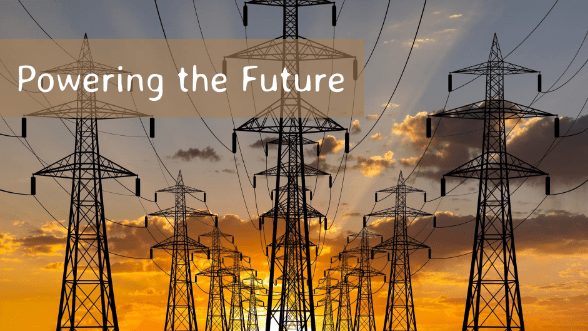
Tunisia is on the verge of a transformative energy partnership with Italy, thanks to the ELMED Interconnector Project. This ambitious initiative aims to build a 600 MW high-voltage direct current (HVDC) submarine power link that will connect the two countries, creating the first direct current electrical connection between Europe and Africa. This project is set to be a game-changer for both regions, promising significant economic, environmental, and energy security benefits.
What is the ELMED Interconnector Project?
The ELMED Interconnector is a planned bi-directional power exchange link between the electrical grids of Italy and Tunisia. With a capacity of 600 MW and spanning approximately 220 km, this undersea cable will connect the electrical substation in Partanna, Sicily, to Mlaabi in Tunisia’s Cape Bon peninsula. The project is expected to cost around €850 million, with construction starting in 2024 and operations commencing by 2028. Key players involved in this project are the Italian electricity transmission operator Terna and Tunisia’s state-owned electricity and gas utility, STEG.
Key Benefits of the Interconnector
- Enhancing Energy Security and Independence: By linking Tunisia’s electricity grid with Italy, the ELMED Interconnector will stabilize power supply on both sides of the Mediterranean. It will also enable Tunisia to export surplus electricity, particularly from renewable sources like solar and wind, to Italy and potentially other European markets, reducing dependence on fossil fuels and enhancing energy security.
- Promoting Sustainable Development: The interconnector is a significant step towards meeting Tunisia’s sustainable development and climate change targets. The project is expected to lower carbon dioxide emissions by over 200 tonnes annually, fostering the growth of renewable energy in Tunisia and contributing to a greener Mediterranean region.
- Economic and Employment Opportunities: The project is anticipated to generate significant economic benefits, including job creation in both countries. It will create opportunities in the construction, energy, and services sectors and enhance Tunisia’s potential as an energy exporter.
- Improving Grid Resilience: The interconnector will improve grid resilience and reliability by integrating renewable energy sources. It will also provide an additional power supply to meet peak demand periods, reducing the likelihood of blackouts and stabilizing electricity prices.
Funding and Strategic Importance
The project has garnered substantial financial support from multiple international stakeholders. Recently, “Team Europe,” an alliance comprising various European Union governments, committed $507 million to fund the project. The European Bank for Reconstruction and Development, the European Investment Bank, and the German development bank KfW have also contributed to the funding package. These investments are crucial for purchasing critical components like underwater sea cables and supporting project planning and construction.
Moreover, the project is seen as strategically important by the European Union, which has included it in its Projects of Common Interest (PCI) list. The EU’s support underlines the project’s role in enhancing the interconnectedness of the Mediterranean energy market and promoting the transition to renewable energy across Europe and North Africa.
Challenges and the Road Ahead
While the ELMED Interconnector presents tremendous opportunities, it also faces challenges, including the need for substantial upfront investment and overcoming regulatory and environmental hurdles. Marine and environmental studies have been conducted to minimize the project’s impact on the seabed and ecosystems. As the project progresses, close cooperation between Tunisia, Italy, and European financial institutions will be vital to navigating these complexities.
Conclusion
The Tunisia-Italy ELMED Interconnector is more than just a power link; it’s a symbol of regional cooperation and a step towards a sustainable and interconnected energy future. As the project moves forward, it will provide a model for how countries can work together to address energy security, climate change, and economic growth in a rapidly changing world.
Ready to explore how financial modeling can maximize returns on such groundbreaking infrastructure projects? At Finteam, we specialize in creating tailored financial models that balance costs, risks, and returns to ensure your investments are both efficient and profitable. Let’s connect and build a smarter future together! 🚀
 Finteam