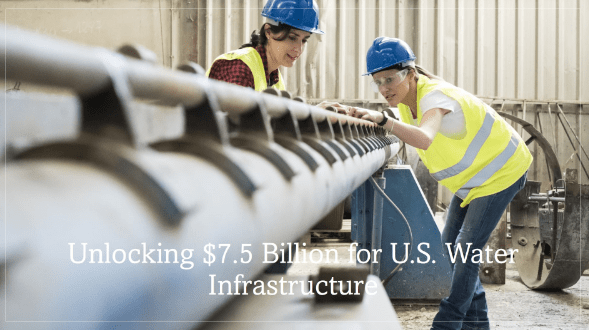
In a significant boost to America’s water infrastructure, the Biden-Harris administration recently announced $7.5 billion in available financing for critical water projects under the Water Infrastructure Finance and Innovation Act (WIFIA). This latest round of funding represents a strategic move to modernize aging infrastructure, address environmental challenges, and promote economic growth across the United States.
### 💧 Why Water Infrastructure Matters Now More Than Ever
Water infrastructure is fundamental to public health, environmental sustainability, and economic vitality. However, many U.S. communities face outdated or insufficient systems that struggle to meet the demands of growing populations, increased environmental regulation, and the impacts of climate change. To address these challenges, the new WIFIA funding is targeted at a range of water infrastructure projects, from replacing lead service lines to tackling “forever chemicals” like PFAS, and improving climate resilience in water systems.
The Environmental Protection Agency (EPA) emphasizes that this funding will play a crucial role in ensuring all communities have access to clean, safe drinking water while supporting local economies. The WIFIA program, in particular, provides creative financing solutions that make it easier for communities to undertake large-scale water infrastructure projects, such as deferred repayments and the ability to consolidate multiple projects into a single loan.
### 🚀 What Makes WIFIA Financing Unique?
WIFIA offers several advantages over traditional financing methods:
1. Long-Term, Low-Cost Loans: Communities can access loans with terms of up to 35 years, offering the flexibility needed for large-scale water projects.
2. Deferred Repayments: Borrowers can defer repayments for up to five years after construction completion, allowing more immediate funding for crucial projects while easing financial burdens.
3. Customizable Repayment Plans: Communities can structure repayments according to their specific needs, offering stability in uncertain economic climates.
These features make WIFIA financing particularly appealing for municipalities facing financial constraints or seeking to accelerate the completion of vital infrastructure projects. For instance, the City of Wichita, Kansas, leveraged WIFIA funding to start its Northwest Water Treatment Facility seven years earlier than planned, providing reliable drinking water to residents much sooner.
### 🌍 Target Areas for Investment
The $7.5 billion funding package comes with clear priority areas:
– Investing in Disadvantaged Communities: Emphasizing projects that improve health and quality of life.
– Accelerating Lead Service Line Replacements: Reducing lead exposure in drinking water systems.
– Addressing PFAS and Emerging Contaminants: Reducing pollution from “forever chemicals.”
– Strengthening Climate Resilience: Enhancing the ability of water systems to withstand the impacts of climate change.
– Promoting Innovation: Supporting new technologies and methods for sustainable water management.
This approach aligns with the administration’s broader goals under the Justice40 Initiative, which aims to ensure that at least 40% of the overall benefits of certain federal investments flow to marginalized communities impacted by pollution and underinvestment.
### 🏗️ A Catalyst for Economic Growth and Job Creation
Beyond the obvious benefits to public health and the environment, this funding is set to create over 60,000 jobs, contributing to economic recovery and resilience. Projects financed under WIFIA also demonstrate clear financial benefits. For example, the Orange County Water District in California saved $75 million in financing costs by refinancing their project under more favorable terms available through the WIFIA program.
### 📈 What This Means for the Future of Project Finance
The recent surge in funding for water infrastructure projects represents a broader trend in project finance, where governments, financial institutions, and private investors are increasingly looking to sustainable and socially responsible projects. As the global community continues to prioritize environmental sustainability and public health, innovative financing tools like WIFIA will play an essential role in bridging funding gaps and delivering long-term value.
### Conclusion: A Watershed Moment for U.S. Infrastructure
The $7.5 billion in new WIFIA funding underscores the critical role that strategic project finance plays in addressing infrastructure challenges. By leveraging innovative financing solutions, the Biden-Harris administration aims to build a more resilient, sustainable, and equitable future for all Americans. For local governments and investors, this represents a unique opportunity to engage in projects that not only meet today’s needs but also lay the foundation for future growth.
—
Ready to Dive into Water Infrastructure Investment? At Finteam, we specialize in creating tailored financial models that optimize costs, manage risks, and maximize returns for complex infrastructure projects. Let’s connect and explore how we can help you leverage these new opportunities! 🌊🚀
 Finteam