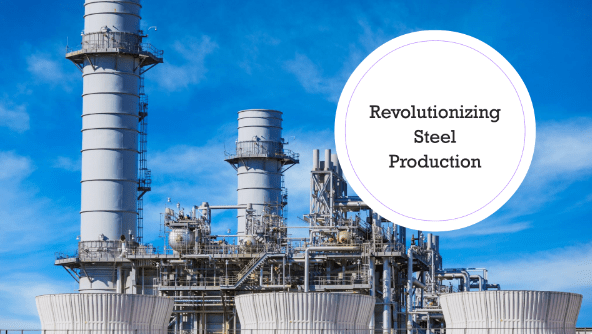
The H2 Green Steel project in Sweden is set to revolutionise the steel industry by creating a fully decarbonised production process. As one of the most ambitious initiatives in the European green economy, it aims to produce green steel using hydrogen instead of traditional coal, reducing carbon emissions by up to 95%. This project represents a bold shift towards sustainable industry practices, but its success heavily relies on sophisticated financial models that can effectively mitigate risks and ensure the project’s bankability.
The Financial Modelling Challenge
In such groundbreaking projects, financial modelling is crucial to address several key risks, including technology uncertainty, high initial capital expenditure (CAPEX), and long payback periods. Let’s explore how advanced financial models can be designed for this type of project:
- Incorporating Green Hydrogen Economics:
Traditional steelmaking uses carbon-intensive processes, whereas H2 Green Steel will rely on green hydrogen produced via electrolysis using renewable energy. Financial models for this project must capture the fluctuations in green hydrogen prices, which can be volatile due to the early-stage development of hydrogen infrastructure and the reliance on renewable energy. By incorporating sensitivity analysis, models can forecast how changes in energy prices impact production costs, ensuring more accurate risk management. - Capital Expenditure (CAPEX) and Financing Structure:
The project’s upfront costs are significant due to the installation of electrolysis units and renewable energy integration. Financial models must factor in the financing mix (equity, debt, and potential grants) and structure the financing to optimise cash flow. For example, sculpted debt (where repayments match the project’s revenue profile) can improve liquidity during the initial years when production capacity is still ramping up. - Revenue Projections and Power Purchase Agreements (PPAs):
To ensure stable revenue streams, long-term Power Purchase Agreements (PPAs) with renewable energy suppliers are essential. Financial models should include these contracts, evaluating the terms and risks associated with energy price fluctuations. Moreover, the revenue side must account for premium pricing opportunities for green steel, as industries like automotive and construction increasingly demand sustainable materials. - Carbon Credits and Subsidies:
As a green project, H2 Green Steel stands to benefit from carbon credits and government subsidies for decarbonisation. Financial models should evaluate how these incentives influence the project’s Internal Rate of Return (IRR) and Net Present Value (NPV). Incorporating a carbon pricing forecast will also allow the model to project how future regulatory changes could affect the project’s profitability. - Stress Testing for Technological Risk:
Hydrogen-based steel production is still an emerging technology, and financial models need to account for potential delays or cost overruns due to technological setbacks. A robust financial model should include stress testing scenarios for delays in achieving full production capacity or higher-than-expected maintenance costs due to unforeseen technological hurdles. - Environmental, Social, and Governance (ESG) Metrics:
Investors are increasingly looking at ESG factors when evaluating projects. Financial models for H2 Green Steel need to incorporate sustainability-linked KPIs to attract financing from ESG-focused investors. These could include metrics on carbon reduction, water usage, and energy efficiency. Linking financial outcomes to sustainability performance can also open doors to sustainability-linked loans, which offer better terms when ESG goals are met.
Conclusion
H2 Green Steel is a groundbreaking project, but its success hinges on developing financial models that can navigate the complexities of emerging technologies, volatile markets, and long-term sustainability goals. By leveraging advanced financial modelling techniques, investors can mitigate risks, ensure stable returns, and contribute to the broader goal of industrial decarbonisation.
Ready to decarbonise your portfolio? At Finteam, we specialise in creating tailored financial models for green infrastructure projects, balancing risk and return to ensure sustainable investments. Let’s connect and shape a greener future together! 🌍🚀
 Finteam