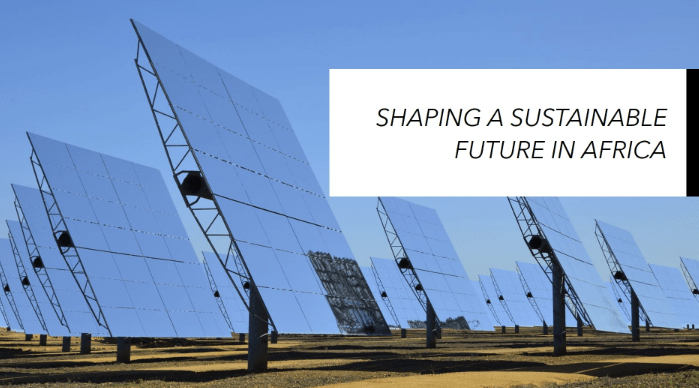
🌱 Environmental, Social, and Governance (ESG) considerations are increasingly driving investment decisions across the globe, and Africa is no exception. The continent, endowed with abundant natural resources 🌿 and a rapidly growing population 👥, faces both significant opportunities and complex challenges when it comes to sustainability. ESG initiatives are playing a pivotal role in reshaping Africa’s development agenda, ensuring that economic growth goes hand-in-hand with environmental stewardship, social responsibility, and effective governance. According to the International Finance Corporation (IFC), ESG assets under management in Africa are projected to reach $150 billion by 2025, reflecting the growing commitment to sustainable development across the continent.
Environmental Stewardship: Harnessing Potential, Mitigating Risks
Africa’s environmental landscape is characterized by both its richness 🌳 and fragility 🌍. The Congo Basin, for instance, sequesters around 1.2 billion tons of carbon annually, playing a crucial role in regulating the global climate. From the vast forests of the Congo Basin—often referred to as the ‘lungs of the world’—to the diverse ecosystems of the East African savannas, the continent’s natural assets are immense. Yet, these are threatened by climate change, deforestation, and unsustainable exploitation of resources. ESG-driven investments are increasingly focused on renewable energy projects 🌞, sustainable agriculture 🌾, and conservation efforts 🐾. By promoting solar, wind, and hydro projects, countries like Kenya, South Africa, and Morocco are setting an example of how to leverage natural potential while reducing carbon footprints. In 2022, Kenya generated over 90% of its electricity from renewable sources, becoming one of the leaders in clean energy on the continent.
Social Responsibility: Uplifting Communities
The ‘S’ in ESG is crucial for Africa, where socio-economic inequalities and infrastructure gaps are often stark. Investments that prioritize social impact are essential for improving quality of life across the continent 🌍. ESG-focused initiatives in Africa are making substantial contributions to education, healthcare, and community development. Programs aimed at providing off-grid solar power to rural areas, like those in Nigeria and Tanzania, have transformed local economies by enabling access to electricity, improving educational opportunities, and fostering entrepreneurship. In Tanzania, for example, off-grid solar solutions have provided electricity to over 6 million people, significantly boosting rural electrification rates. Furthermore, gender-focused initiatives, such as those empowering women in agribusiness and tech, are helping reduce inequalities and driving inclusive growth.
Governance: Strengthening Institutions for Long-Term Growth
🗳️ Good governance is foundational for the success of ESG frameworks in Africa. The continent has made significant strides in improving transparency, reducing corruption, and creating a conducive environment for sustainable investments. Countries like Rwanda and Ghana are notable for their governance reforms aimed at boosting investor confidence and fostering accountability. Rwanda, in particular, ranks 49th globally in the World Bank’s 2020 Ease of Doing Business Index, showcasing its commitment to regulatory improvements. ESG initiatives in governance also promote responsible business practices, emphasizing the need for corporate accountability, community engagement, and ethical supply chain management.
ESG as a Catalyst for Change
The rise of ESG in Africa is a testament to the continent’s potential to pursue growth while embracing sustainability. 🌍 International investors are increasingly recognizing Africa as a frontier for impact investing, with ESG as the cornerstone of a new wave of economic development. Sustainable finance, including green bonds and social impact funds, is gaining momentum, providing much-needed capital for initiatives that address climate challenges, create jobs, and foster resilience. In 2021, Africa’s green bond market grew by 28%, with countries like Nigeria and South Africa issuing bonds to fund renewable energy projects and infrastructure.
However, challenges remain. Ensuring that ESG commitments translate into meaningful action on the ground requires collaboration between governments, private sector stakeholders, and local communities. Addressing gaps in data, capacity building, and ensuring inclusivity are key to making ESG-driven growth both impactful and equitable.
Invest in Africa’s Sustainable Future
Africa stands at a critical juncture 🌍, where the adoption of ESG principles can determine the trajectory of its future growth. The potential to align economic interests with positive social and environmental outcomes presents an opportunity not just for African nations, but for global investors seeking sustainable returns.
🌍 Are you ready to be part of Africa’s ESG transformation? Whether you’re an investor, a policymaker, or an entrepreneur, your role in this evolving landscape is pivotal. Let’s connect and collaborate to build a future where sustainability and prosperity go hand-in-hand.
 Finteam