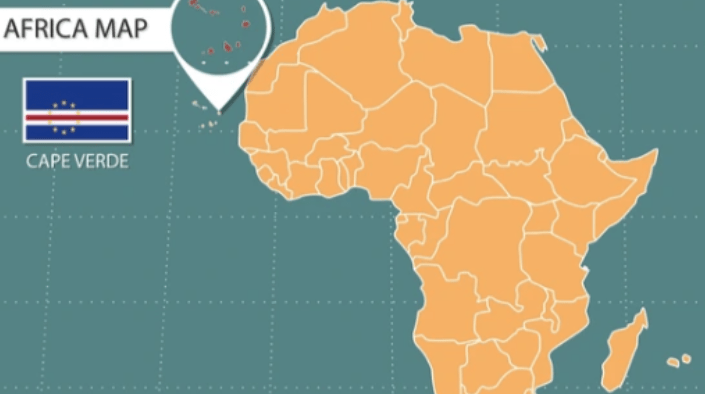
🇨🇻 Cape Verde, an island nation off the west coast of Africa, is making significant strides in public-private partnerships (PPP) to modernize its infrastructure and boost economic development. Over the past decade, the country has taken bold steps towards engaging private investors in various infrastructure projects, including ⚓ ports, ✈️ airports, 🌬️ wind energy, and even 🏥 healthcare. These efforts reflect Cape Verde’s proactive approach to ensuring sustainable growth and tackling the infrastructural challenges of an archipelago spread across ten islands.
One of the earliest major PPP initiatives was the prequalification process for the concession of the main ports of Mindelo, Praia, Boavista, and Palmeira in 2015. The government sought private partners to finance, operate, and maintain these ports for a period of at least 20 years. This concession aimed at restructuring operations and enhancing facilities with new cranes and terminal equipment. With support from the African Development Bank (AfDB) and advisory assistance from Rebel Group, this project showcased Cape Verde’s openness to international expertise and investments to modernize key logistics hubs 🚢.
More recently, Vinci Airports entered into a 40-year concession agreement to develop Cape Verde’s airport network, covering four international airports and three domestic ones. This agreement, supported by a mix of international financing and sustainability-linked loans, marks a crucial investment in Cape Verde’s tourism and transport sectors. The development will focus on extending, upgrading, and maintaining the airports, positioning the country as a more accessible destination for global visitors 🌍.
The country is also pushing forward in renewable energy 🔋. AP Moller Capital, through its Africa Infrastructure Fund, acquired a significant stake in Cabeolica, Cape Verde’s largest independent power producer. Cabeolica operates wind farms across four islands, producing a total capacity of 25.5 MW, and its ongoing expansion will add an additional 13 MW of capacity. This reflects the government’s commitment to sustainable energy solutions, which are essential for an island nation seeking energy independence and resilience in the face of climate change.
Beyond ports, airports, and renewable energy, Cape Verde is exploring the use of PPPs in the healthcare sector. In December 2022, the government announced its first hospital PPP project, inviting investors to develop a new hospital. This is an important step towards modernizing healthcare infrastructure and increasing access to medical services across the archipelago 🏝️.
To sustain this momentum, Cape Verde is focusing on enhancing its PPP framework. The government has enlisted advisory support from the World Bank to develop a more robust political, legal, and institutional framework to drive a new wave of PPP projects, especially in transport. By improving these frameworks, Cape Verde aims to provide more attractive and secure opportunities for private investors while ensuring projects deliver long-term value to its citizens.
Cape Verde’s approach to PPPs offers a blend of opportunities and challenges. The support from global players like the African Development Bank, AP Moller Capital, and the International Finance Corporation (IFC) indicates a growing trust in the country’s market potential. However, the success of these partnerships will depend on the government’s ability to maintain transparent processes, adhere to sustainability targets, and ensure local communities benefit from the investments.
With Cape Verde steadily building its PPP pipeline, the country is on a promising path towards infrastructure modernization, economic diversification, and sustainable growth 🌱. Investors and stakeholders alike should keep an eye on this dynamic market, as the country positions itself as a gateway for sustainable investment in West Africa.
 Finteam