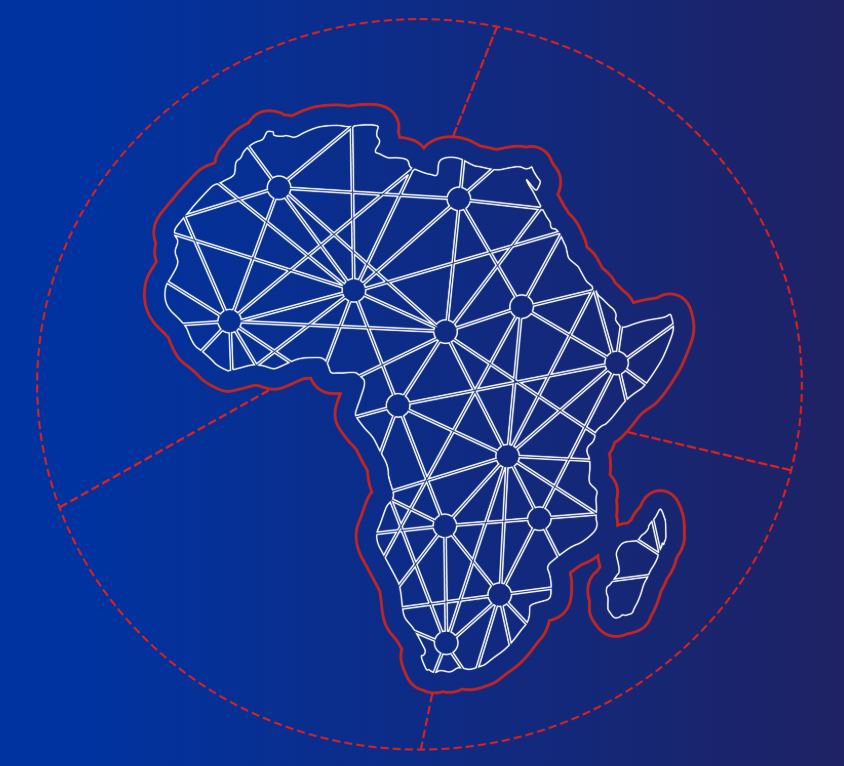
WIOCC (West Indian Ocean Cable Company) is leading the charge in transforming Africa’s digital infrastructure, delivering integrated core digital solutions across the continent. Established in 2008, WIOCC has consistently invested in both terrestrial and subsea networks, ensuring seamless connectivity from coastal landing points to inland regions. Here’s how they are driving the digital revolution in Africa. 🚀
Subsea Cable Investments
Financial modelling is critical for evaluating the investment and long-term profitability of WIOCC’s subsea cable projects. These models help determine the feasibility of such large-scale infrastructure ventures by analyzing cost, expected returns, and risk factors, which are vital for attracting stakeholders and investors.
Key Points Specific to Project Finance Modelling for Telecom Cables:
- CapEx Estimation: Accurate capital expenditure (CapEx) estimation is crucial, as subsea cable projects are capital-intensive due to high costs associated with cable manufacturing, laying, and deployment, particularly in underwater environments.
- Revenue Modelling: Since subsea cable systems often serve multiple clients (telecom operators, ISPs, and content delivery networks), financial models must incorporate multi-client revenue streams, including lease payments and capacity sales.
- Depreciation and Amortization: Subsea cables have a long asset life (typically 15-25 years). Financial models need to properly reflect depreciation and amortization schedules, which affect the project’s financial health and tax obligations.
- Operational Risks and Maintenance Costs: Regular maintenance costs and potential risks such as cable cuts or faults need to be modelled. Operational expenditures (OpEx) must factor in unexpected repair costs that could disrupt cash flows.
- Debt Financing and DSCR: Telecom cable projects are often highly leveraged. Modelling the debt service coverage ratio (DSCR) is crucial to ensure that revenue streams are sufficient to cover debt repayments, minimizing risk to lenders.
Financial modelling is critical for evaluating the investment and long-term profitability of WIOCC’s subsea cable projects. These models help determine the feasibility of such large-scale infrastructure ventures by analyzing cost, expected returns, and risk factors, which are vital for attracting stakeholders and investors.
WIOCC is a significant player in several major subsea cable systems that are crucial for Africa’s connectivity:
- EASSy (Eastern Africa Submarine Cable System): Holding a 28% stake, WIOCC is a key investor in this high-capacity cable connecting the eastern seaboard of Africa.
- 2Africa: As part of the 2Africa consortium, WIOCC contributes to one of the largest subsea cable projects globally, aiming to deliver extensive connectivity across Africa, Europe, and the Middle East.
- Equiano: WIOCC is a major partner in Google’s Equiano cable, owning a full fiber pair, enhancing connectivity between Europe and Africa.
Terrestrial Network Expansion
From a financial modelling perspective, building a vast terrestrial network like WIOCC’s requires evaluating capital expenditures (CapEx) and operating expenses (OpEx) to ensure long-term profitability. Financial models help assess the payback period and internal rate of return (IRR) to validate the economic viability of these infrastructure investments.
Key Modelling Considerations for Terrestrial Fiber Networks:
- Network Rollout Costs: Modelling should include installation costs, labor, permissions, and right-of-way expenses for laying fiber across multiple terrains, which vary significantly between urban and rural regions.
- Lease Agreements and Revenue Projections: Terrestrial networks often involve leasing capacity to different clients. Financial models need to incorporate expected revenue from lease agreements, ensuring different client acquisition timelines are represented.
- Infrastructure Sharing: Evaluating potential cost savings from infrastructure sharing agreements with other telecom providers can significantly improve project profitability and should be factored into the financial model.
From a financial modelling perspective, building a vast terrestrial network like WIOCC’s requires evaluating capital expenditures (CapEx) and operating expenses (OpEx) to ensure long-term profitability. Financial models help assess the payback period and internal rate of return (IRR) to validate the economic viability of these infrastructure investments.
Complementing its subsea investments, WIOCC has developed an extensive terrestrial fiber network connecting over 1,000 locations across 30 African countries. This integrated approach ensures reliable and scalable services for cloud operators, content providers, and telecom companies, making WIOCC a key enabler for Africa’s digital economy. 🖧🔌
Open Access Data Centres (OADC)
The establishment of Open Access Data Centres (OADC) necessitates detailed financial modelling to evaluate their economic impact. Key metrics such as net present value (NPV) and discounted cash flows (DCF) are used to assess the potential profitability of data centers, considering factors like client acquisition, operational efficiency, and energy costs.
Financial Modelling Specifics for Data Centers:
- Capacity Utilization: Modelling needs to include data on capacity utilization rates to ensure that sufficient client demand is forecasted to reach profitability. Lower-than-expected utilization can impact overall revenue.
- Energy Costs and Power Usage Effectiveness (PUE): Energy costs are a major component of data center OpEx. Modelling must include assumptions about power usage effectiveness (PUE), as more efficient data centers will have lower operational costs.
- Contract Structuring: Data centers often have long-term contracts with clients. The financial model should account for contractual escalation clauses that allow for increases in pricing over time, thereby enhancing revenue.
The establishment of Open Access Data Centres (OADC) necessitates detailed financial modelling to evaluate their economic impact. Key metrics such as net present value (NPV) and discounted cash flows (DCF) are used to assess the potential profitability of data centers, considering factors like client acquisition, operational efficiency, and energy costs.
In its bid to accelerate Africa’s digital transformation, WIOCC launched Open Access Data Centres (OADC), a pan-African, carrier-neutral, open-access data center operation. OADC provides world-class, client-centric data center facilities, fully connected to Africa’s largest network infrastructure, further enhancing Africa’s digital landscape. 🏢🔋
Recent Developments
Recent developments also require robust financial models to accurately estimate the returns on new investments and partnerships. This includes evaluating the potential impact of strategic alliances and the costs versus benefits of ongoing network upgrades, ensuring that WIOCC maintains financial sustainability while expanding capacity.
Key Financial Considerations for Ongoing Network Upgrades:
- Upgrade Costs vs. Revenue Growth: Modelling needs to weigh the cost of network upgrades against the expected increase in revenue from improved services, ensuring a positive net present value (NPV).
- Risk and Sensitivity Analysis: Financial models should include sensitivity analysis to account for variability in upgrade costs, fluctuating client demand, and changing regulatory environments. This helps stakeholders understand potential downside risks.
Recent developments also require robust financial models to accurately estimate the returns on new investments and partnerships. This includes evaluating the potential impact of strategic alliances and the costs versus benefits of ongoing network upgrades, ensuring that WIOCC maintains financial sustainability while expanding capacity.
- Strategic Partnerships: WIOCC continues to collaborate with international and regional partners to expand connectivity solutions, meeting the growing digital demand across Africa.
- Network Upgrades: To ensure reliable services and support higher capacities, WIOCC has been investing heavily in network upgrades that boost resilience and capacity, ensuring quality digital connectivity. 💡📊
Through these projects, WIOCC is cementing its position at the forefront of Africa’s digital infrastructure development, bridging the digital divide and supporting the continent’s integration into the global digital economy. 🌐✨
 Finteam