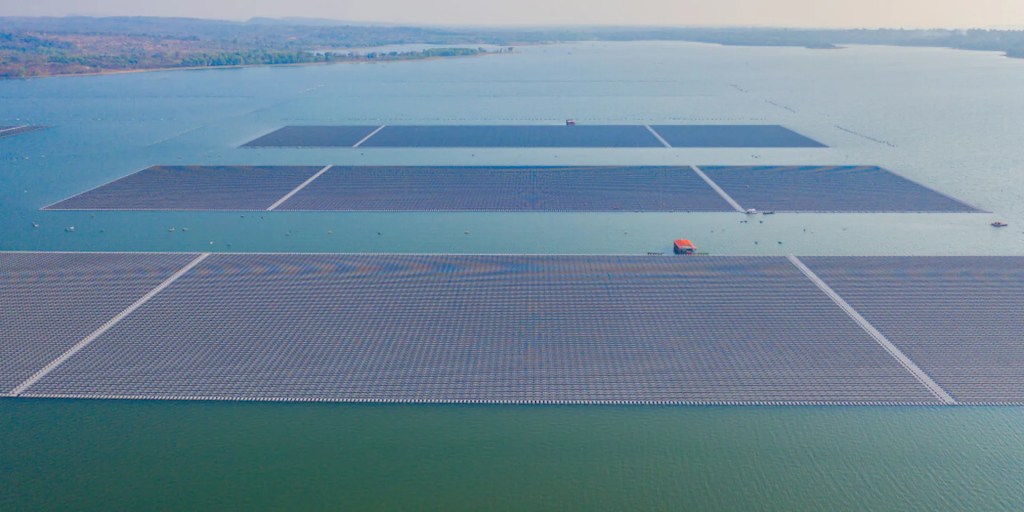
Masdar, the UAE-based renewable energy giant, has announced ambitious plans to develop a 7.8 GW portfolio of renewable energy projects in Egypt. This monumental step is set to significantly boost Egypt’s renewable energy capabilities, making it one of the largest clean energy investments in the region. Through a series of agreements with local entities and partners, Masdar is positioning itself as a key driver in the transformation of Egypt’s energy landscape, aligning with both regional and global sustainability goals. Let’s delve into the scope of these projects and what they mean for the future of renewable energy in Egypt.
### Key Projects Under Masdar’s New Agreements 🌍🔋
Masdar has signed agreements with the Future of Egypt for Sustainable Development Authority (FESDA) to develop several giga-scale projects. These include:
1. 3 GW Floating Solar PV Project on Lake Nasser: This floating solar initiative aims to leverage the expansive surface of Lake Nasser, one of the largest artificial lakes in the world. Floating solar projects offer advantages such as reduced land use, lower water evaporation, and higher efficiency due to cooling effects.
2. 2 GW Solar PV Project in Nagaa Hammadi: Located in Nagaa Hammadi, this project will contribute a significant amount of solar energy capacity to Egypt’s growing renewable energy mix.
3. 1.2 GW Solar Projects with EETC: In a consortium with Infinity Power and Hassan Allam Utilities, Masdar has signed power purchase agreements (PPAs) with the Egyptian Electricity Transmission Company (EETC) to develop two solar plants—a 900 MW solar project in Wahat and a 300 MW solar project in Benban. These projects also include 720 MWh of battery energy storage (BESS), which is critical for stabilizing the renewable supply and ensuring grid reliability. ⚡
### Broadening Egypt’s Renewable Ambitions 🚀🌱
The agreements signed by FESDA and Masdar, along with other investors, also include plans for:
– Solar Cell and Solar Panel Manufacturing Plants: This development will help localize renewable energy technology production, reducing dependency on imports and enhancing the domestic supply chain.
– Additional Battery Storage Facilities: BESS will be integrated to support greater renewable energy penetration, ensuring stable electricity delivery despite the intermittency of solar power.
– New Renewable Energy Zone near the Suez Canal: The establishment of this zone aims to attract further investment in the renewable sector, supporting Egypt’s long-term sustainability goals.
### Recent Investments and Strategic Alliances 🤝💡
Masdar has been actively involved in several major renewable energy projects across North Africa. In June 2024, Masdar, together with Infinity Power, secured USD 72 million in debt financing from the European Bank for Reconstruction and Development (EBRD) to fund the 200 MW Ras Ghareb wind farm in Egypt. In July 2024, Masdar partnered with Infinity and Hassan Allam Utilities to collaborate with BP on a multi-phase green hydrogen project in Egypt—an exciting step towards diversifying the renewable energy portfolio beyond wind and solar.
### Financial Modelling Insights for Giga-Scale Renewables 💰📊
Developing such a diverse and extensive renewable energy portfolio requires detailed financial modelling to ensure each project’s feasibility and long-term profitability. Here are some of the key considerations specific to financial modelling for renewable energy projects like these:
1. CapEx and OpEx Estimates: Projects like the 3 GW floating solar PV on Lake Nasser and 2 GW in Nagaa Hammadi involve significant capital expenditure (CapEx) due to the cost of PV panels, floating infrastructure, and specialized installation. Operational expenditures (OpEx), especially for floating solar, include unique maintenance costs associated with water-based structures. Accurate CapEx and OpEx assessments are critical for calculating project viability.
2. Revenue Streams from PPAs: The power purchase agreements (PPAs) signed for the Wahat and Benban solar projects guarantee a fixed price for the electricity produced, providing stable cash flows. Financial models must integrate these PPAs to evaluate net present value (NPV) and internal rate of return (IRR), giving investors a clear picture of the project’s profitability.
3. Battery Energy Storage System (BESS) Economics: The inclusion of 720 MWh of BESS necessitates additional cost and revenue considerations. Financial models must assess the cost of battery procurement, installation, and degradation over time, while also modeling potential revenue from ancillary services like frequency regulation or peak shaving.
4. Multi-Technology Integration: With Masdar also involved in solar cell and panel manufacturing, the financial model must account for potential cost advantages due to vertical integration. Producing technology components in-house or locally can reduce costs and improve project margins.
5. Risk and Sensitivity Analysis: Considering the scale and variety of these projects, financial models must include risk assessment and sensitivity analysis to evaluate how variables like currency fluctuations, policy changes, and interest rates could impact overall returns.
### Impact on Egypt’s Energy Future ⚡🌍
With these ambitious projects, Masdar is contributing to Egypt’s goal of achieving 42% renewable energy in its power mix by 2035. The floating solar project on Lake Nasser is particularly groundbreaking, as it demonstrates innovative use of water resources to expand solar capacity without consuming valuable arable land—a crucial consideration for a country with significant agricultural needs.
The new renewable energy zone near the Suez Canal further highlights Egypt’s ambition to become a hub for clean energy, attracting international investment and fostering technological development within the country. With giga-scale projects and comprehensive financial planning, Egypt is positioning itself as a leader in renewable energy in North Africa.
### Conclusion
Masdar’s 7.8 GW renewable portfolio represents a transformative step for Egypt’s energy sector. By combining advanced solar technologies, strategic financial planning, and partnerships with both local and international players, Masdar is helping Egypt achieve its sustainability targets and solidify its role as a regional leader in renewable energy. Projects like these are pivotal in shaping a future where renewable energy is not only more accessible but also more economically viable.
Interested in the financial aspects of large-scale renewable projects? Explore our financial modelling tools designed for complex energy investments: [Finteam Solar PV Model Template](https://www.eloquens.com/tool/gyxxIMgg/finance/solar-project-financial-modeling/uk-solar-pv-excel-model) 📈🔋
 Finteam