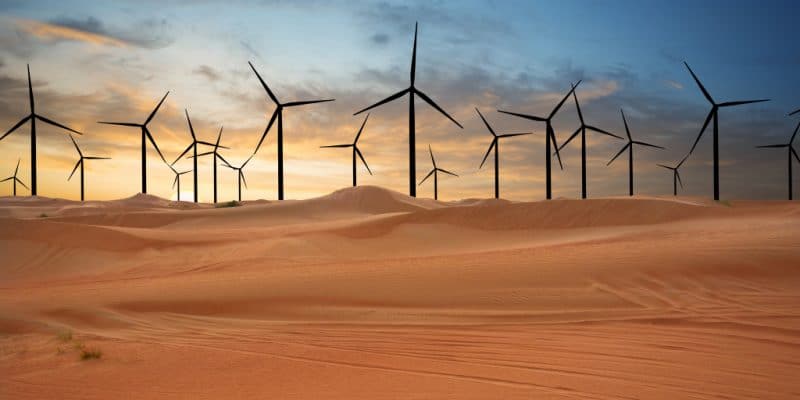
Morocco has emerged as a leading figure in the renewable energy landscape, setting ambitious targets to position itself as a regional powerhouse for clean energy. The North African nation aims to achieve 52% renewable energy in its power mix by 2030, leveraging its abundant solar, wind, and hydro resources. This bold move is driven by a combination of strategic policy initiatives, substantial investments in infrastructure, and partnerships with international stakeholders.
Current Progress and Major Milestones ⚡
Since launching its ambitious energy transition strategy in 2009, Morocco has made significant strides towards reducing its dependence on fossil fuels and transitioning to a more sustainable power mix. Key initiatives include:
- Noor Ouarzazate Solar Complex: One of the world’s largest solar complexes, the Noor Ouarzazate facility has become a symbol of Morocco’s renewable ambitions. Spread across 3,000 hectares and generating 580 MW of solar power, Noor is a flagship project that highlights Morocco’s commitment to large-scale solar energy.
- Wind Power Projects: Morocco is also investing heavily in wind energy. The Tarfaya Wind Farm, which has a capacity of 300 MW, is one of Africa’s largest wind farms. Other major projects include the Midelt and Jbel Lahdid wind farms, which further solidify the country’s place as a wind energy leader.
- Hydro Projects: Hydropower plays a significant role in Morocco’s renewable energy plan. Investments in pumped-storage hydroelectricity, such as the Abdelmoumen project, are designed to enhance energy storage capacity and grid stability.
Strategic Goals and Policy Framework 📊🌍
The National Energy Strategy aims to position Morocco as a renewable energy hub for North Africa and Europe. In 2021, the government reaffirmed its 52% renewable energy target by 2030, building on the momentum of past achievements. Several pillars underpin this strategy:
- Legislative Reforms: Morocco has introduced regulatory changes to encourage private sector involvement in renewable energy production. This includes opening up the grid for private renewable producers and streamlining the licensing process for new projects.
- Investment in Infrastructure: Morocco’s infrastructure investments are designed to support large-scale solar and wind projects, as well as transmission capabilities for exporting surplus renewable power to Europe via interconnectors.
- Regional Collaboration: Morocco has entered into agreements with other African nations and the European Union to share expertise, secure investments, and create a more interconnected energy market. The development of the Morocco-UK power link, a planned subsea cable to supply green electricity to the UK, is an ambitious example of Morocco’s regional energy leadership.
Financial Modelling for Morocco’s Renewable Energy Transition 💶📈
To achieve its renewable energy targets, Morocco relies on both public and private investments. Financial modelling for these projects is crucial to ensure economic viability and manage risks. Here are some key aspects of financial modelling that drive Morocco’s renewable energy projects:
- Capital Expenditure (CapEx) and Funding Sources: Large-scale projects like the Noor solar complex involve significant CapEx. Financial models must account for the initial investment required, typically financed through a mix of international loans, government funding, and private equity.
- Power Purchase Agreements (PPAs): Securing long-term PPAs is crucial for the bankability of renewable projects in Morocco. PPAs provide stability for both investors and developers by guaranteeing a fixed price for electricity over an extended period, reducing revenue uncertainty.
- Risk and Sensitivity Analysis: Developing renewable energy at such a scale involves various risks, including currency fluctuations, policy changes, and weather variability. Financial models for Moroccan projects include sensitivity analyses to assess the impact of these uncertainties and ensure the robustness of project finances.
- Revenue from Export Potential: With its strategic geographic position, Morocco is positioning itself to become a significant exporter of renewable energy. Financial models include potential revenue streams from the export of power via interconnectors, such as the planned Morocco-UK subsea cable that aims to supply low-carbon electricity to European markets.
Broader Impact and Benefits 🌱✨
Morocco’s renewable energy drive is not just about reducing carbon emissions but also about creating socioeconomic opportunities. By investing in renewables, Morocco aims to:
- Reduce Energy Imports: Morocco imports a significant portion of its energy needs. By developing its own renewable energy resources, the country aims to reduce its dependency on imported fossil fuels, enhancing energy security.
- Job Creation: The renewable energy sector has created thousands of jobs in both construction and operation phases, supporting local communities and boosting economic growth.
- Sustainable Agriculture and Water Management: Initiatives like the Noor Midelt project combine solar PV with agriculture (agrivoltaics), maximizing land use efficiency and supporting sustainable farming practices in arid regions.
Conclusion
Morocco’s ambitious renewable energy goals are a testament to the country’s commitment to a sustainable future. With major investments in solar, wind, and hydropower, and a clear policy framework that encourages public-private partnerships, Morocco is on track to become a renewable energy leader not only in Africa but also globally. The success of Morocco’s renewable strategy lies in its ability to attract investments, leverage international partnerships, and utilize advanced financial modelling to drive its projects forward.
 Finteam