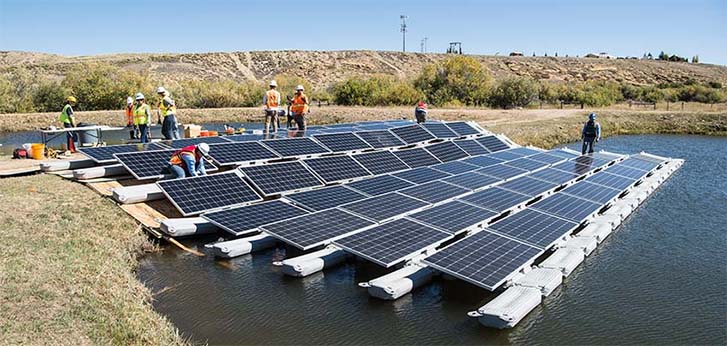
Africa is embracing innovative renewable energy solutions, with floating solar technology emerging as a key player. This approach involves installing photovoltaic panels on water bodies, optimizing space and enhancing energy efficiency.
Ghana’s Pioneering Effort
Ghana has taken a significant step by constructing a 5 MW floating solar PV plant on the Bui Reservoir, marking the largest of its kind in Africa. This project is part of the Bui Hydro-Solar Hybrid system, integrating solar and hydro resources to supply power to the national grid. The floating solar plant complements an existing 50 MW land-based solar farm and the 404 MW Bui hydropower plant, collectively advancing the region’s renewable energy capabilities.
Egypt’s Ambitious Plans
Egypt is set to make a significant impact in the floating solar sector with plans to develop a 5 GW floating solar power plant on Lake Nasser. This project, in collaboration with the UAE’s Masdar, is expected to be the largest of its kind globally upon completion. The development will occur in two phases: 2 GW in the first phase and 3 GW in the second. This initiative aligns with Egypt’s commitment to expanding its renewable energy capacity and reducing carbon emissions.
Advantages of Floating Solar in Africa
- Efficient Land Use: Floating solar installations utilize water surfaces, preserving land for agriculture and urban development.
- Enhanced Efficiency: The cooling effect of water bodies can improve the performance of solar panels, leading to higher energy output.
- Environmental Benefits: These systems can reduce water evaporation and create habitats for aquatic life, supporting biodiversity.
Challenges and Solutions
Implementing floating solar projects in Africa involves addressing challenges such as:
- Infrastructure Development: Building the necessary infrastructure in remote areas can be complex and costly.
- Maintenance: Ensuring the durability of installations against environmental factors like humidity and biofouling requires innovative engineering solutions.
Collaborative efforts between governments, private sectors, and international organizations are essential to overcome these challenges and promote the adoption of floating solar technology across the continent.
Future Outlook
The success of Ghana’s floating solar project and Egypt’s ambitious plans set a precedent for other African nations. Countries with abundant water bodies and high solar irradiance, such as Nigeria, Kenya, and Uganda, are exploring similar initiatives. These projects align with Africa’s commitment to increasing renewable energy capacity and reducing carbon emissions.
Curious about how innovative financial modeling can support renewable projects like floating solar? Explore our specialized models for renewable energy investments: Finteam Solar PV Model Template 📊🌿
 Finteam