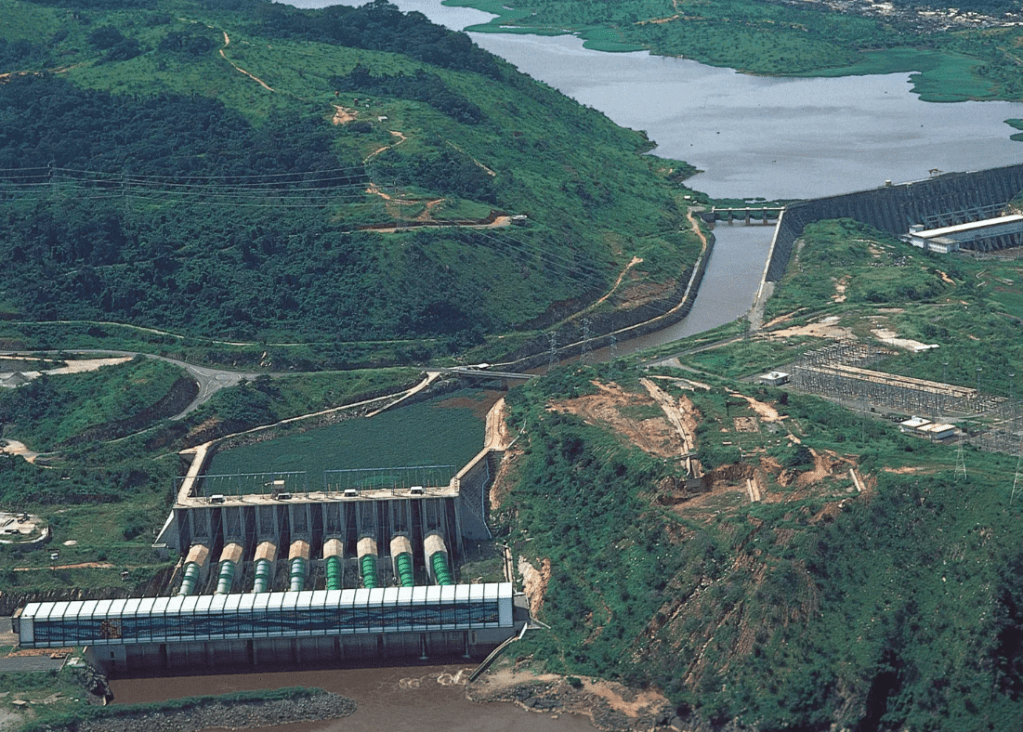
The Democratic Republic of Congo (RDC) is at a critical juncture in its renewable energy journey, setting ambitious targets to leverage its vast natural resources for a sustainable energy future. However, reaching these targets is not without challenges, especially when considering the financial complexities involved. The key to RDC’s success lies in effective financial modelling that can help the nation navigate the intricacies of funding, investment, and resource allocation for its renewable energy projects. 📊💰
Current Status of RDC’s Renewable Energy Goals
The RDC has made significant strides in setting renewable energy targets, aiming to increase the share of renewables in its energy mix to 65% by 2030. With abundant hydropower potential—including the iconic Inga Dam—as well as untapped solar and wind resources, the country is well-positioned to achieve these goals. However, much of this potential remains unrealized due to limited infrastructure, political instability, and financial constraints. 🏗️💡
The challenge for the RDC is not just about adding renewable energy capacity but also about expanding overall energy access. Currently, only 19% of the population has access to electricity, and most of that is concentrated in urban areas. For the RDC to meet its renewable energy targets, it needs a strategic financial approach that can mobilize public and private investments to build infrastructure, create off-grid solutions, and support energy storage initiatives. 🌞🔋
The Role of Financial Modelling
Financial modelling plays a crucial role in making the RDC’s renewable energy vision a reality. By employing sophisticated models, stakeholders can assess the feasibility and viability of various renewable projects, forecast cash flows, and evaluate risk scenarios. Given the high capital costs associated with hydropower and solar installations, financial models help determine optimal financing structures—balancing between debt, equity, and grants to minimize risks and ensure long-term sustainability. 📉💸
For example, financial models can be used to evaluate the viability of public-private partnerships (PPPs) in developing the Inga III project. Such a project requires billions of dollars in investment, and a well-crafted financial model can help determine the best mix of public funding, concessional loans, and private sector involvement. The model can also include scenarios that account for potential delays, fluctuating commodity prices, and shifts in political stability—factors that are particularly relevant for the RDC. 🤝💡
Challenges and Opportunities
One of the major challenges facing RDC is the lack of reliable data for financial modelling. Inaccurate or outdated data can lead to flawed assumptions, making it difficult for investors to confidently back renewable projects. To overcome this, the RDC must invest in data collection and transparency initiatives that can feed accurate information into financial models, reducing uncertainties for investors. 📊🔍
On the flip side, there are significant opportunities. The RDC’s renewable energy push aligns with the global trend towards green finance and climate-focused investment funds. By presenting well-documented financial models that illustrate the potential returns and societal benefits, the RDC can attract international investors and climate funds. Additionally, the presence of large, untapped renewable resources gives the country a unique edge—if these resources can be properly monetized through effective financial planning. 🌱🌐
The Path Forward
To meet its renewable energy targets, the RDC must prioritize financial modelling as a tool for strategic decision-making. This means not only building capacity in financial analysis but also fostering collaboration between government, private sector, and international institutions. The success of RDC’s renewable energy future depends on crafting financial solutions that are innovative, inclusive, and resilient. 🌍🔋
Financial modelling is not just a technical exercise—it is the foundation of a sustainable future for the RDC. By leveraging effective models, the country can ensure that investments are well-placed, risks are managed, and that the promise of renewable energy truly benefits its people. 🌞💡✨
Interested in learning how financial modelling can shape the future of renewable energy in Africa? Let’s discuss how strategic financial planning can turn potential into power. 🔍📊💬
 Finteam