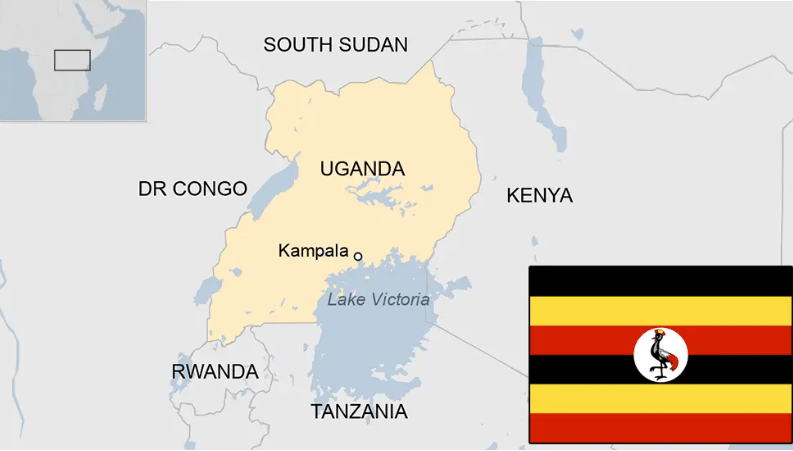
Uganda’s renewable energy landscape is set to expand with the announcement of financial close for a 20 MW solar photovoltaic (PV) project in the north-western region of the country. Ninety One’s Emerging Africa and Asia Infrastructure Fund (EAAIF) has committed approximately USD 18 million to support AMEA Power in delivering this transformative project. 🌱⚡
Key Highlights
- Capacity: The solar PV plant will generate 20 MW, providing clean, affordable energy to one of Uganda’s most underserved regions.
- Investment: EAAIF’s funding, managed by Ninety One under the Private Infrastructure Development Group (PIDG), underscores its commitment to impactful renewable energy projects.
- Impact: The project will bring power to hundreds of thousands of people, helping communities overcome frequent blackouts and load shedding. 🔋✨
Strategic Importance of the Project
This solar project supports Uganda’s broader goals of achieving universal energy access by 2040, up from around 50% in 2022. It is aligned with the government’s ambitions to:
- Diversify the energy mix away from hydropower, which currently accounts for 80% of the country’s generating capacity.
- Reduce reliance on heavy fuel oil, a highly polluting energy source commonly used in the West Nile region.
By addressing energy access challenges in remote areas, this project will play a pivotal role in accelerating Uganda’s energy transition while fostering economic and industrial development. 🏗️🌍
Collaboration and Leadership
The success of the project is attributed to strong partnerships between key stakeholders:
- AMEA Power: This marks AMEA Power’s first project in East Africa, setting the stage for further renewable energy initiatives in the region.
- Government of Uganda: The Ministry of Energy and Mineral Development, the Electricity Regulatory Authority (ERA), and the Uganda Electricity Transmission Company Limited (UETCL) provided essential regulatory and logistical support.
- Local Leadership: Community engagement in the Madi Okollo District has been instrumental in advancing the project.
Why It Matters
This solar project will:
- Expand energy access to last-mile communities.
- Reduce greenhouse gas emissions by transitioning from heavy fuel oil to clean energy.
- Support local businesses and industries by providing stable and affordable electricity.
It also builds on EAAIF’s previous contributions to Uganda’s renewable energy landscape, having supported projects that have brought electricity to up to 159,000 people.
Conclusion
The 20 MW solar PV project represents a major step forward in Uganda’s energy transition, highlighting the power of international partnerships and innovative financing. By addressing energy access gaps and supporting sustainable development, this project reinforces Uganda’s position as a leader in renewable energy in East Africa.
🔍 Curious about how financial modelling can optimize solar investments like this? Explore the Finteam Solar PV Model Template to drive impactful energy solutions. 📊🌞✨
 Finteam