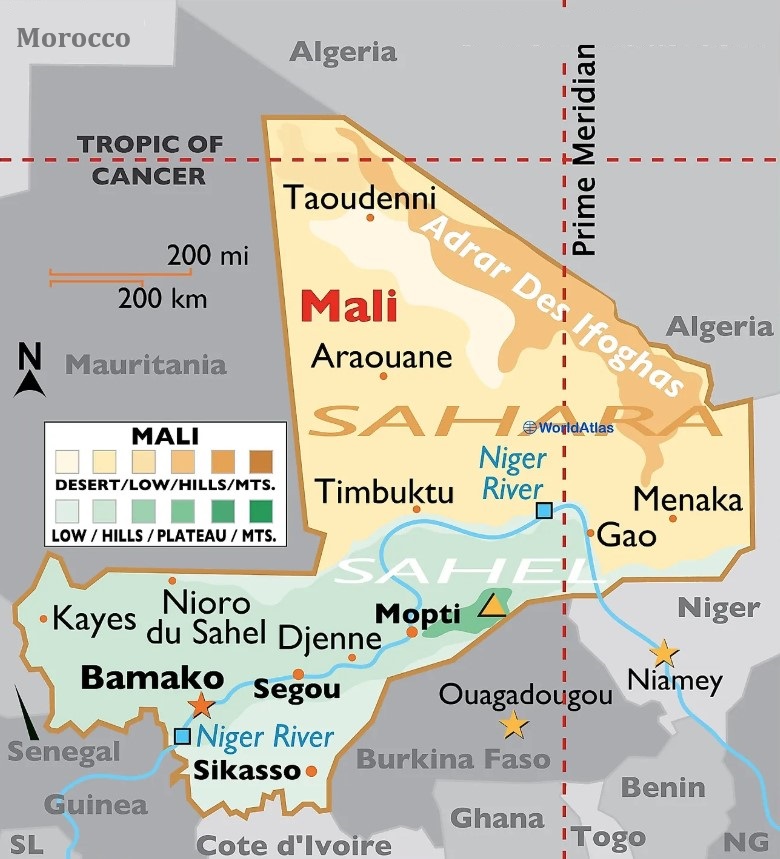
Earlier this month, Bamako, the capital of Mali, initiated plans for a transformative Energy-from-Waste (EfW) plant designed to process 2,000 tonnes of waste daily and generate 24 MW of power. With the support of international partners, this project could mark a significant advancement for urban energy and waste management in West Africa. 🌱📊🏗️
Project Highlights 📊
- Location: Near Tienfala, ~30km northeast of Bamako
- Capacity: 2,000 tonnes/day waste processing
- Power Generation: 24 MW
- Electricity Tariff: XOF 50 (USD 0.087)/kWh
- Concession Period: 30 years
The local government has completed site selection and is actively seeking a Chinese developer, with consortium bids limited to three members. Preference will be given to entities with a proven track record in EfW projects of over 1,000 tonnes/day. 🔍📄🤝
Financial Modeling Considerations 💰📉📑
From a financial modeling perspective, EfW plants present unique challenges and opportunities. Key elements include:
- Revenue Forecasting: Anchored in Power Purchase Agreements (PPAs) with Mali’s state utility, modeling must reflect the XOF 50/kWh tariff, factoring in exchange rate risks and inflation.
- CapEx & OpEx Analysis: With high initial capital costs and continuous O&M expenses, detailed scenario planning is critical to assess IRR and DSCR outcomes.
- Debt Structuring: The project may pursue blended financing from Chinese state banks, the World Bank, or AfDB. Effective modeling must simulate multiple debt scenarios, including concessional lending terms and grace periods.
Strategic Implications 🌍 🔄📦💡
This initiative is not just about electricity generation. It addresses Bamako’s chronic urban waste issues while tapping into sustainable energy production. The project aligns with broader West African goals to enhance circular economies and improve energy security. 🏙️⚙️📈
By targeting a commissioning date in 2027, the project has a tight timeline. Given the expected one-year construction period, efficient planning, de-risking via insurance instruments (such as MIGA or ATIDI), and clear regulatory pathways will be vital. ⏳📋🛠️
Why It Matters for Investors and Developers 📈🌍💼
- Emerging Market Opportunity: Mali represents a high-impact, frontier market for EfW technologies.
- Scalable Blueprint: A successful execution could serve as a model across francophone West Africa.
- Favorable Tariff Environment: At USD 0.087/kWh, the tariff is attractive relative to regional benchmarks.
Conclusion: Partnering for Impact 🤝🔋🌿
The Bamako EfW project reflects a growing appetite across Africa for sustainable infrastructure that integrates waste management and power generation. With strong government backing and the potential for multilateral support, this is a project that deserves close attention. 🌟🏗️📣
#EnergyFromWaste #Mali #Bamako #InfrastructureFinance #RenewableEnergy #FinancialModeling #WestAfrica #EfW #Finteam #CircularEconomy
 Finteam