Strategic PPPs to Reinvent Dakar’s Urban Mobility
The International Finance Corporation (IFC) signed four key public-private partnership (PPP) agreements with CETUD (Executive Council for Urban Transport in Dakar), setting the stage for a transformative shift in Senegal’s urban transport ecosystem. These partnerships reflect a growing global trend: leveraging private capital and innovation to design sustainable, low-carbon infrastructure in rapidly urbanizing regions.
Scope of the Four PPP Projects
IFC will serve as the lead transaction advisor for structuring and competitively bidding out the following initiatives:
- Biomethane Plant for Green Public Buses: This waste-to-energy facility will fuel a modern bus fleet, replacing petrol vehicles with biomethane-powered alternatives.
- Transit-Oriented Development (TOD) in Petersen: Centered around the BRT terminal, this project focuses on mixed-use urban regeneration—integrating housing, commercial spaces, and pedestrian zones.
- Smart Traffic Light Management System: Equipped with radar-based sensors and dynamic signal controllers to optimize traffic flow, improve road safety, and lower emissions.
- Electric Cable Car in Diamniadio: A fully electric aerial cable car system to link residential zones with regional transport hubs in the newly developed smart city.
Financial Modelling Insights for Transport PPPs
For financial modellers engaged in PPP advisory or infrastructure investment, Dakar’s urban transport projects present an excellent blueprint:
- Revenue Modelling and Offtake Risk: These urban transport assets rely on farebox revenues, government subsidies, and ancillary real estate income (in the case of TOD). Scenario modelling must include conservative ridership projections, fare elasticity, and lifecycle O&M costs.
- Capital Structure Design: IFC’s advisory role will likely bring in blended finance tools. Projects such as the cable car and biomethane plant may require viability gap funding, concessional loans, or guarantees. Models must flexibly integrate public co-financing and layered equity-debt instruments.
- IRR and Payback Metrics: Expected internal rates of return (IRRs) may range from 8-12% in local currency terms. Analysts should perform detailed break-even and payback period analyses, incorporating foreign exchange risk, especially for imported equipment and EPC contracts.
- Environmental Metrics for Green Bonds: These assets qualify for green or climate bond certification. Financial models should estimate GHG emission reductions (e.g., tCO₂e avoided), modal shift impacts, and energy efficiency indicators for ESG dashboards.
Urbanization and Economic Impact
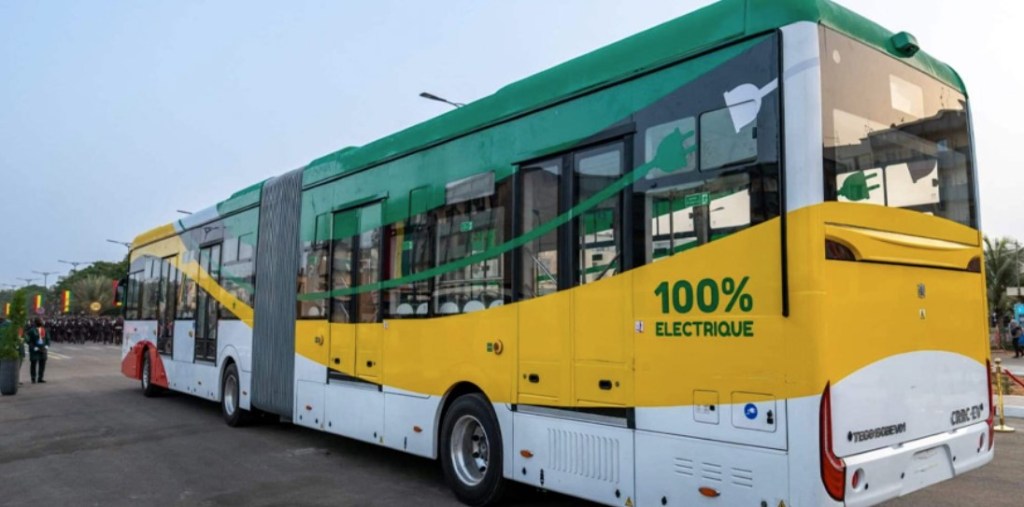
Dakar, home to over 25% of Senegal’s population, adds 100,000 residents annually. This rapid growth exacerbates congestion, pollution, and infrastructure strain. The integrated transport solution, including Africa’s first fully electric BRT system (backed by the World Bank), is designed to carry over 300,000 passengers daily—boosting economic productivity and urban quality of life.
Replicability and Strategic Planning
These PPPs represent scalable models for other African megacities. Financial modellers should consider:
- Demand management and pricing strategies for urban transit
- Lifecycle costing for electric and green fuel technologies
- PPP contract structures balancing risk-sharing with investor confidence
Conclusion: From Modelling to Mobility Transformation
The IFC-CETUD partnership exemplifies how financial modelling is central to making climate-resilient infrastructure bankable. Through structured PPPs, Dakar can transition to cleaner, smarter mobility while attracting global capital and technology.
 Finteam