Quick Overview: $3.6M for a Big Impact 🌞💰📊
Konexa, Climate Fund Managers (CFM), and Norfund agreed to invest $3.6 million into Nigeria’s renewable energy sector, specifically focusing on solar power and improved grid infrastructure. Although $3.6 million might seem small compared to the overall energy needs, it’s part of a strategic plan that could unlock $80 million more in investment by the end of 2025. This highlights how a well-structured public-private partnership can attract much larger funds. ⚡🌱🏗️
What the Project Will Do 🔌🛠️📡
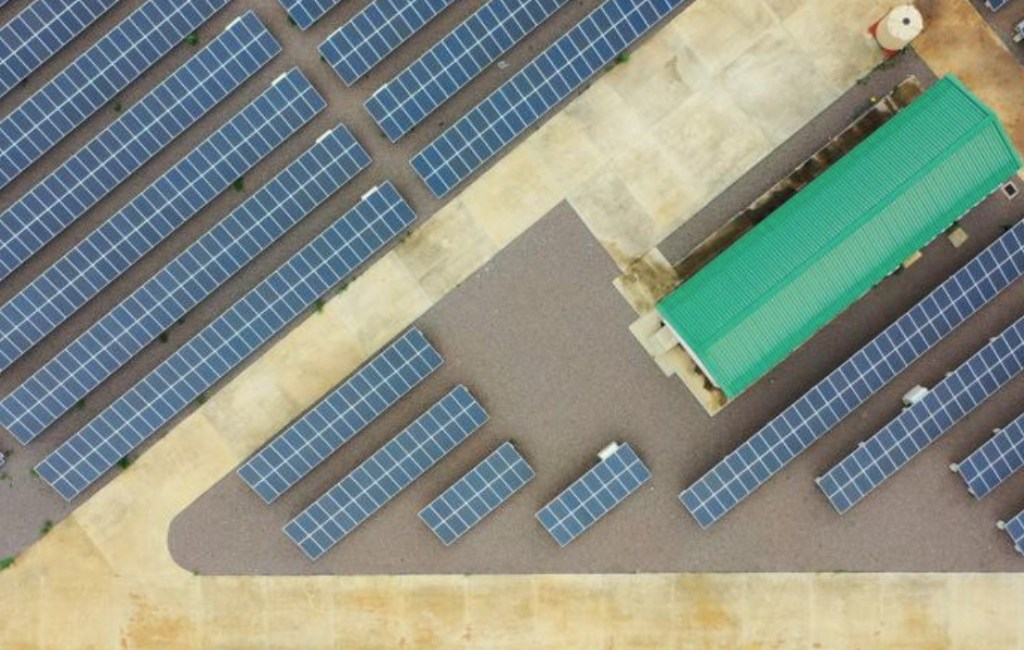
The main part of the plan is to build a 50-megawatt solar PV (photovoltaic) power plant. This plant will provide clean energy to Nigerian Breweries sites in Lagos and Enugu, which currently rely on diesel generators. The solar plant will reduce emissions by about 30,000 tonnes of CO₂ per year. In addition to the power plant, the project includes upgrading power lines and grid systems to ensure stable delivery. The agreement also supports the expansion of Konexa’s trading platform, which connects businesses to renewable energy in a more flexible and market-driven way. 🌞🏭📉
Why Financial Modelling Matters 📊🧮📘
For projects like this to succeed, strong financial modelling is essential. Financial modellers help predict how the project will perform over time. They consider costs, revenues, risks, and different financing options. This project uses blended finance, which combines public funds with private capital. Modelling this kind of mix requires extra attention to how risks are shared and how returns are distributed. Having clear financial forecasts helps secure additional investment and ensures the project can stay on track. 🧠💹📈
Measuring Success with ESG Goals 🌱📏📊
The project fits within Nigeria’s Vision 30:30:30, which aims to get 30% of the country’s electricity from renewable sources by 2030. To measure success, financial models also need to include ESG (Environmental, Social, and Governance) metrics. These include the number of jobs created, how much local infrastructure improves, and how much carbon is saved. For example, this project is expected to create 100 jobs during construction and 35 permanent roles. These metrics are not only good for reporting but also attract investors who care about sustainability. 📉🌿📋
A Model for Other Countries 🔁📈🌍
What’s happening in Nigeria could become a model for similar projects in other African countries. Konexa’s approach of building private energy trading platforms and supporting local infrastructure could be used in places with similar energy challenges. Financial modelling helps test whether this model would work in different markets by adjusting for local conditions like electricity prices, government policy, and available resources. 🌍🔧🏗️
What to Watch Next 🧭🔮📊
As the project moves toward its construction phase later in 2025, several things are worth watching. Will the expected $80 million in funding be secured on time? Will energy prices stay stable? And will policy changes affect solar project incentives? Financial modellers and developers alike need to keep track of these elements, as they can significantly impact the project’s success. 🕵️♂️📆📋
🔍 Want help with financial models for energy projects? Reach out to Finteam. Whether you’re new to modelling or looking to refine your approach, we’re here to support the growth of clean energy. 📊🌍🤝
 Finteam