Infrastructure Capital Mobilisation Accelerates 🚀🏦📊
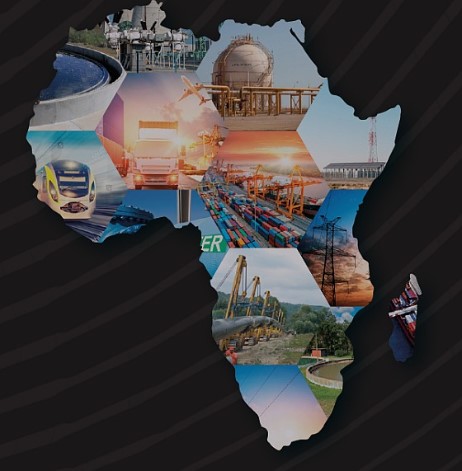
The Emerging Africa & Asia Infrastructure Fund (EAAIF), managed by Ninety One and part of the Private Infrastructure Development Group (PIDG), has closed USD 325 million in new debt facilities from a global group of financial institutions. This new round pushes EAAIF’s recent capital commitments to USD 620 million, surpassing its original USD 500 million target well ahead of schedule. 🔁🌐📉
Breakdown of Debt Contributions 🧾🌍📌
The facility structure reflects geographic and institutional diversification:
- Allianz Global Investors (AGI): EUR 100 million
- ABSA: USD 75 million
- Standard Bank: USD 50 million (top-up)
- Sumitomo Mitsui Banking Corporation (SMBC): USD 50 million
- Swedfund: EUR 40 million
EAAIF’s A2 Moody’s rating remains a key draw for risk-conscious investors seeking stable returns with developmental impact. ✅📈🔒
Strategic Modelling Implications 🧠📉📚
From a financial modelling lens, this transaction reinforces several strategic principles: 📊🧾💼
- Credit Enhancement Structures: EAAIF’s high credit rating underpins structured finance and investor trust, enabling longer-tenor and lower-cost debt assumptions in modelling.
- Blended Finance Application: Modellers must incorporate layered capital, concessional finance, and catalytic capital in project IRR computations.
- FX and Hedging Dynamics: Multi-currency funding (EUR and USD) necessitates robust hedging models and sensitivity analyses on currency volatility.
- Debt Waterfall Structuring: Priority tranches, cross-default provisions, and interest rate assumptions must be layered into dynamic model outputs.
- Scenario Modelling: Given EAAIF’s emerging market exposure, models must reflect downside stress tests for macro, climate, and counterparty risks.
Development Impact and Portfolio Strategy 🌱🌍📡
EAAIF has committed over USD 3 billion to 125+ infrastructure projects across more than 25 countries since 2001. The new funding round supports a pipeline aimed at: 🔄🏗️📈
- Digital infrastructure
- Transition energy assets
- Power market reforms
This aligns with PIDG’s vision of enabling USD 25 billion in finance mobilization and improving the climate and economic resilience of 100 million people by 2030. 🌐📊💪
Conclusion: A Case Study in Emerging Market Infrastructure Finance 📘💬🔍
EAAIF’s raise exemplifies how institutional capital can be structured to de-risk infrastructure debt in frontier markets. For financial modellers, this is a blueprint in advanced structuring, risk calibration, and performance tracking for infrastructure lending platforms. 🧮📉⚙️
 Finteam