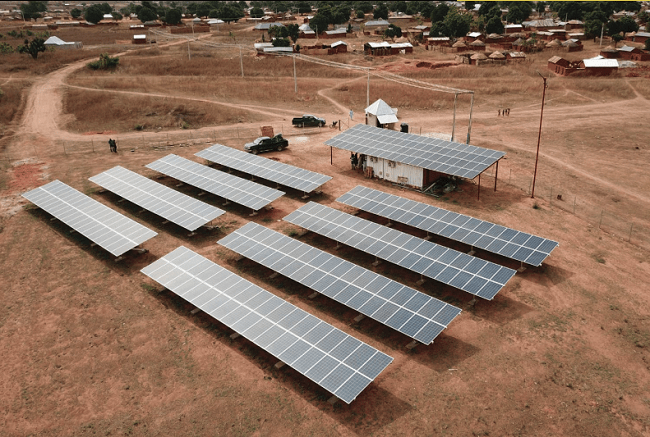
As energy access expands across Sub-Saharan Africa, mini-grids have emerged as a scalable, decentralized solution to power rural communities. But making them bankable remains a challenge. This is where robust financial modelling plays a critical role—not just in evaluating viability but in unlocking capital through data-driven confidence.
The Mini-Grid Model: What Are We Building?
Mini-grids typically comprise solar PV systems, batteries, and diesel backup generators, delivering electricity to villages or industrial clusters not served by the national grid. Key characteristics:
- System size: 20 kWp to 500 kWp
- Tariff structure: Either fixed (via regulatory authorities) or dynamic based on consumption
- Revenue stream: Electricity sales, sometimes coupled with productive use applications (cold chains, water pumps, agri-processing)
Core Financial Model Structure 📊
1. CapEx and Grant Allocation
- CapEx covers solar panels, batteries, inverters, civil works, and grid deployment.
- In many African countries, up to 60-70% of CapEx is covered by grants (from DFIs or national programs).
- The model should include blended finance scenarios combining concessional and commercial funding.
2. Tariff Modelling and Demand Forecasts
- Estimating demand requires bottom-up surveys: household usage, small businesses, schools, and clinics.
- Include load growth assumptions: starting from 0.5 kWh/day per user up to 2 kWh/day.
- Use tariff indexing to model inflation-linked price adjustments over 15-20 years.
3. Battery Cycling and O&M Modelling
- Model battery degradation and replacement cycles (e.g., every 7-10 years).
- O&M typically ranges from 3-5% of CapEx annually, including staffing, maintenance, and diesel costs (if hybridized).
Technical Ratios & Outputs
To ensure bankability, include:
- DSCR (Debt Service Coverage Ratio): should be above 1.3x for concessional lenders
- IRR (Internal Rate of Return): above 10% unlevered and >15% for equity investors
- NPV (Net Present Value): positive under multiple sensitivity cases
- LCOE (Levelized Cost of Electricity): benchmarked to $0.25–$0.50/kWh depending on region
Bankability Tips for Financial Modellers 📌
- Use scenario analysis to stress test diesel price shocks, solar yield variability, and demand shortfalls.
- Include payment default buffers and simulate cash collections under pay-as-you-go models.
- Ensure your financial model captures currency risk, especially if revenues are in local currency but financing is USD/EUR.
Case Study Inspiration: Nigeria’s REA Program 🇳🇬
The Nigerian Rural Electrification Agency (REA) has rolled out over 100 mini-grids using performance-based grants (PBGs). These projects are typically 100-200 kWp, serving 300–1000 households.
- Grant per connection: ~$350
- IRR to equity: ~15-18%
- LCOE: ~$0.38/kWh
- Financial model includes capital recovery via tariffs + performance bonuses
Conclusion: Making Rural Energy Projects Investable
Mini-grid financial modelling demands more than just number crunching—it requires real-world assumptions, technical realism, and a deep understanding of policy and subsidy frameworks. Tools like sensitivity analysis, risk scoring, and layered financing structures are indispensable in closing deals.
🌱 For financial modellers working in energy access, this is a space of impact, complexity, and innovation. Let’s build models that not only predict returns—but power lives.
📩 Interested in exploring a mini-grid template or structuring support? Let’s connect.
🔗 Access the Finteam Solar PV Model Template on Eloquens here: Solar PV Excel Model
 Finteam