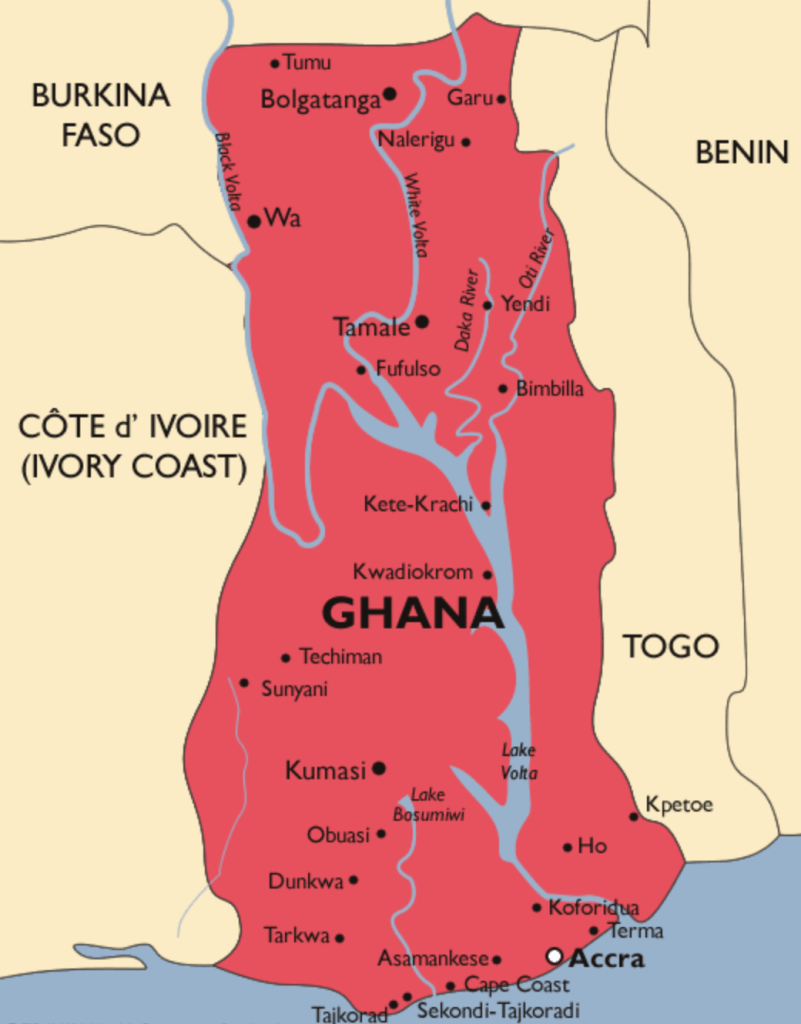
The China-Africa Development Fund (CADF) is in discussions with Shenzhen Energy Group to finance a 100 MW utility-scale solar farm in Ghana. This initiative aims to supply clean energy to mining zones and industrial plants through corporate power purchase agreements (PPAs). It represents a strategic evolution in China-Africa energy cooperation, with a focus on sustainability and industrial competitiveness. 🌍⚡
Project Overview 🌞
- Capacity: 100 MW
- Location: Ghana (specific site to be confirmed)
- Developers: Shenzhen Energy Group and CADF
- Financing: CADF considering both debt and equity participation
- Target Off-takers: Mining and industrial sectors via corporate PPAs
This project builds on a solid partnership foundation: CADF and Shenzhen Energy previously co-invested in Ghana’s energy infrastructure, including a 560 MW gas-fired plant in Tema via Sunon Asogli Power (Ghana) Ltd.
Strategic Significance 🔍
- Energy Diversification: Supports Ghana’s Renewable Energy Master Plan, aiming to boost solar capacity from 42.5 MW in 2020 to over 1,300 MW by 2030.
- Industrial Integration: Addresses the high energy demands of mining and manufacturing through long-term, cost-predictable PPAs.
- Environmental Impact: Expected to reduce emissions by an estimated 120,000 tonnes of CO₂ annually, based on regional grid emission factors.
Financial Modeling Considerations 📊
For financial modelers evaluating the project:
- Revenue Analysis: Model consistent revenue inflows from PPAs, incorporating price escalation clauses and potential curtailment scenarios.
- CapEx & Financing Structure: Assume ~$0.80/Watt installed cost, implying an ~$80 million total investment. Balance sheet modeling should evaluate a debt-equity structure, perhaps 70:30, considering Chinese concessional financing.
- O&M and IRR: Include fixed O&M costs of ~$10/kW-year. Base case equity IRR might target 13-15%, depending on PPA tenor and tariff level.
Looking Ahead 🌱
This solar initiative reflects a larger pattern of state-backed Chinese funds partnering with industrial players to facilitate Africa’s energy transition. By aligning finance, technology, and long-term energy needs of industrial zones, the project demonstrates a replicable blueprint for energy resilience across West Africa.
As implementation advances, watch for announcements on financial close, EPC partners, and off-take agreements — all critical to ensuring bankability and long-term impact.
 Finteam