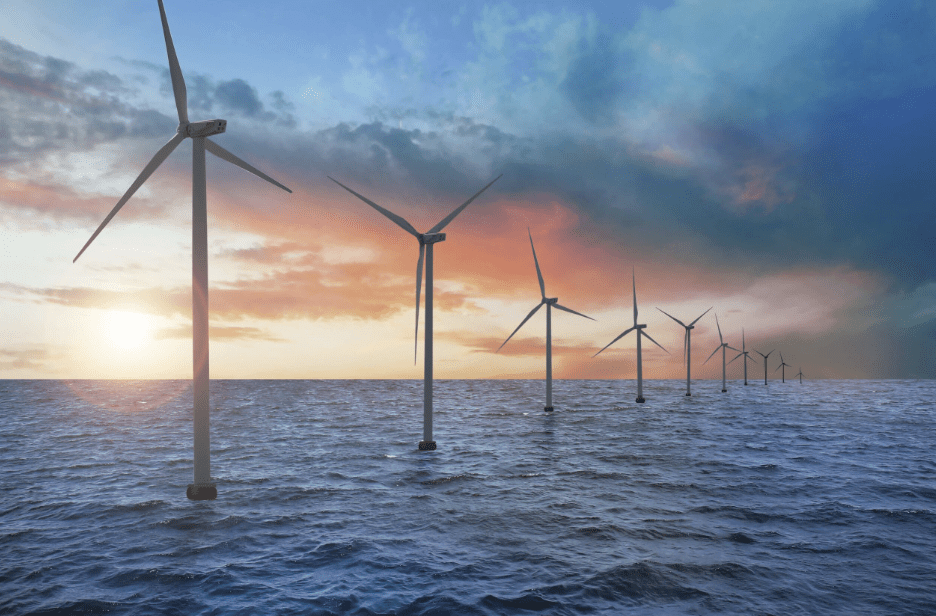
In the evolving energy landscape, offshore wind represents a pivotal segment in global decarbonisation strategies. Crafting a robust financial model for these projects is vital—balancing complex capex structures, revenue volatility, and long-term financing. As financial modellers, we need both precision and flexibility. Here’s how to approach it: ⚙️
1. Project Overview & Inputs ⚡
Start by defining key project parameters:
- Capacity & Layout: e.g., 300 MW, 50 turbines, average turbine ~6 MW.
- Construction Timeline: est. 2–3 years with phased commissioning.
- Key Inputs: turbine CAPEX (~€1.2 m/MW offshore), OPEX escalations, grid connection timing.
- Resource Data: capacity factor (typically 40–50%), degradation (~0.5%/yr), and power curve.
A well-structured assumptions tab—with named ranges—improves transparency and usability during sensitivity and scenario analysis. 🧾
2. Revenue & Power Pricing 💰
Offshore wind revenues come through:
- PPA Contracts: Fixed EUR/MWh rates, often rising with inflation.
- Merchant Exposure: Spot pricing during non-PPA periods.
Revenue projection should break down:
- MWh generation × tariff
- Merchant revenue & balancing costs
- Subsidies like CfDs or green certificates
Include a P50/P90 generation profile to model stochastic weather-driven output. This enables NPV/IRR sensitivity analysis under different resource scenarios. 📉
3. Capex, Opex & Capital Structure 🏗️
Key drivers include:
- Upfront Capex: turbines, foundations, installation vessels, cabling.
- Finance Structure: leverage typically 60–70% debt with 15–20‑yr tenor.
- Opex Schedule: maintenance outages, vessel charters, asset management, insurance.
In your model:
- Set up a debt schedule with interest, principal payments, DSR buffers, covenant checks.
- Allow parameters for moratorium periods or ICR triggers.
- Include reserve accounts for maintenance and debt service. 🧮
4. Cash Flow & Debt Metrics 📊
Build monthly/quarterly cash flows during construction ramp-up:
- Construction Cash Flow → ramp-up to operation
- Operating Cash Flow → revenue less Opex and finance costs
- Free Cash Flow → post-debt and taxes
Core KPIs: DSCR, LLCR, PLCR, Project IRR, Equity IRR, debt repayment timeframe. These metrics support financing negotiations and bankability assessments. 💹
5. Sensitivity & Scenario Analysis 🧪
Use structured tools:
- Data tables: two-way sensitivity on tariff vs. capacity factor
- Goal-seek/macros: to find debt level achieving DSCR covenant limit
- Scenarios: Base, Upside (high Cf, low costs), Downside (low tariff, delays)
Visual dashboards summarise generation profiles, debt balances, and DSCRs over key periods. 📈
6. Risk Management & ESG Integration 🌱
Offshore projects face specific risks:
- Construction delays, transport logistics, O&M hell-hour windows
- Address these via time-lag buffers and contingency funds in your model.
ESG variables can be embedded:
- Environmental metrics (e.g., GHG displaced)
- Social benefits (e.g., local job creation)
- Governance flags (e.g., robust procurement policies)
These factors enhance investor transparency and align with ESG frameworks. 🛡️
7. Reporting & Investor Communication 🗣️
Your financial model should output:
- Waterfall charts showing return allocation between LPs/GPs
- Sensitivity heat maps
- Executive summary: LCOE, IRR bands, NPV, DSCR thresholds
- CAP table and sources/uses matrix
Clarity in presentation builds confidence among stakeholders and lenders. 🧠
Conclusion ✅
Building a financial model for offshore wind blends financial theory with structural insight. As financial modellers, our goal is to:
- Ensure bankability via robust debt-service metrics
- Embed ESG elements for broader stakeholder buy-in
- Offer scenario flexibility for dynamic decision‑making 🌱
A well-built model does more than calculate—it guides strategy, informs negotiations, and drives sustainable growth. 🚀
Next Steps for Practitioners:
- Implement a modular Excel structure: assumptions → cash flows → financing → outputs
- Integrate P50/P90 data and tariff sensitivity
- Use macros or goal-seek for automatic covenant compliance check
🔧 Bonus: if you need a practitioner-grade model for wind, check out the Wind Energy Project Finance Model on Eloquens: https://www.eloquens.com/tool/AylasVGm/finance/wind-energy-project-finance/wind-energy-project-finance-model?ref=finteam
For finance teams, developers, or investors aiming to develop offshore wind portfolios, a rigorous financial model is the cornerstone of strategic decision‑making. Feel free to connect if you’d like to discuss model templates, debt structures, or ESG integration strategies. 🤝
 Finteam