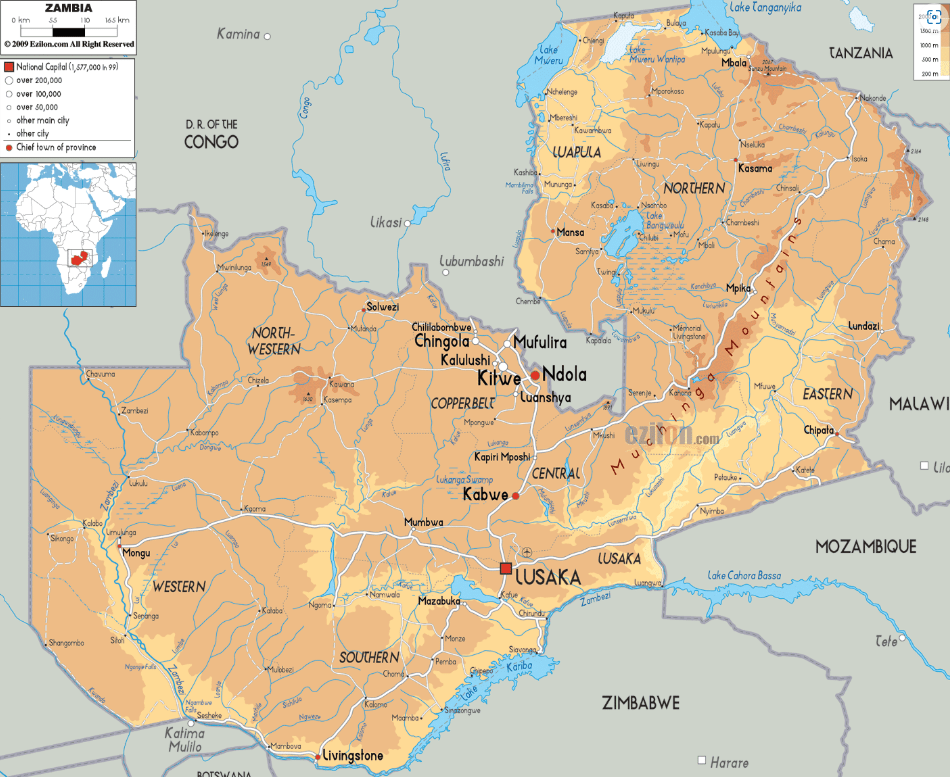
ZCCM Investments Holdings (ZCCM-IH), Zambia’s state-linked mining investment group, confirmed the acquisition of a 35% stake in a 100 MW solar project from India’s Nava Group for USD 90 million. The deal represents a strategic diversification move, with the mining-focused investor expanding further into renewable energy at a time when Zambia faces mounting electricity demand and pressure to decarbonize its grid. 📊🌱☀️
Transaction & Structure 📊⚡🌍
The solar project, held under the special purpose vehicle Maamba Solar Energy Ltd (MSEL), was incorporated in January 2025. Following the transaction: 🌱☀️📈
- Nava Group retains a 65% stake.
- ZCCM-IH holds 35%.
- Financing will be structured with a 70:30 debt-to-equity ratio.
- Debt: USD 63m (expected from local and regional lenders).
- Equity: USD 27m, of which ZCCM-IH contributes USD 9.45m.
The project is backed by a 20-year power purchase agreement (PPA) with state-owned Zambia Electricity Supply Corporation (ZESCO), providing predictable revenue streams over its 25-year project lifespan (with potential extension). ⚡📊🌍
Commissioning & Development Timeline ⏳☀️📈
MSEL has already started development, with commissioning targeted for July 2026. Once operational, the 100 MW facility will represent a meaningful contribution to Zambia’s generation mix, supporting industrial growth and reducing load-shedding risks. 🌍⚡🌱
Financial Modelling Perspective 🧮📊⚡
For investors and analysts, the structure of this transaction raises key points from a financial modelling standpoint: 🌱☀️📈
- Equity IRR Sensitivity: With ZCCM-IH contributing USD 9.45m in equity, the project’s return profile will be highly sensitive to debt servicing costs and PPA tariff stability. A shift of just 1-2% in interest rates could materially impact the project IRR.
- Debt Tenor & Cash Flow Waterfall: Given the project’s 20-year PPA, lenders will likely structure debt with 12–15 year tenors, ensuring that post-debt repayment years significantly enhance equity cash flow. Analysts would build cash flow waterfalls to stress-test debt service coverage ratios (DSCR).
- Currency & Sovereign Risk: With revenues denominated in Zambian Kwacha but potential debt in USD, financial modellers will need to apply currency hedging assumptions and run downside scenarios.
- Residual Value & Extension Scenarios: Extending the lifespan from 25 to 30 years, combined with possible PPA renewal, could add significant terminal value to the model.
Strategic Importance for Zambia 🌍⚡📈
Zambia’s energy sector has historically relied on hydropower, which accounts for more than 80% of generation. However, climate variability has made hydro production increasingly unreliable. Large-scale solar projects like MSEL are essential to diversify the energy mix, reduce exposure to drought risk, and provide stable baseload for mining operations — the backbone of Zambia’s economy. ☀️🌱⚡
For ZCCM-IH, the move is not only about diversification but also about energy security for its mining portfolio, where power shortages have historically constrained copper output. 📊🌍📈
ESG and Sustainability Impact 🌱⚡☀️
The project aligns with Zambia’s commitments under the Paris Agreement and its Nationally Determined Contributions (NDCs), targeting expanded renewable capacity. From an ESG perspective: 🌍📊💡
- Environmental: Reduces reliance on coal-fired and diesel backup generation.
- Social: Creates jobs during construction and operation.
- Governance: Strengthens transparency in public-private partnerships in the power sector.
Conclusion ⚡🌍📊
The ZCCM-IH acquisition marks a pivotal step in Zambia’s renewable energy journey. By leveraging structured project finance, long-term PPAs, and robust financial modelling, Zambia is positioning itself to attract further IPP (Independent Power Producer) investments. The success of MSEL could set a template for future solar projects in Southern Africa, offering both stable returns for investors and sustainable growth for the country. 🌱☀️📈
📩 For renewable energy financiers and analysts, this project underscores the importance of detailed modelling when assessing African solar projects. To explore financial modelling techniques, check out the Finteam Solar PV Model Template. ⚡🌍📊
 Finteam