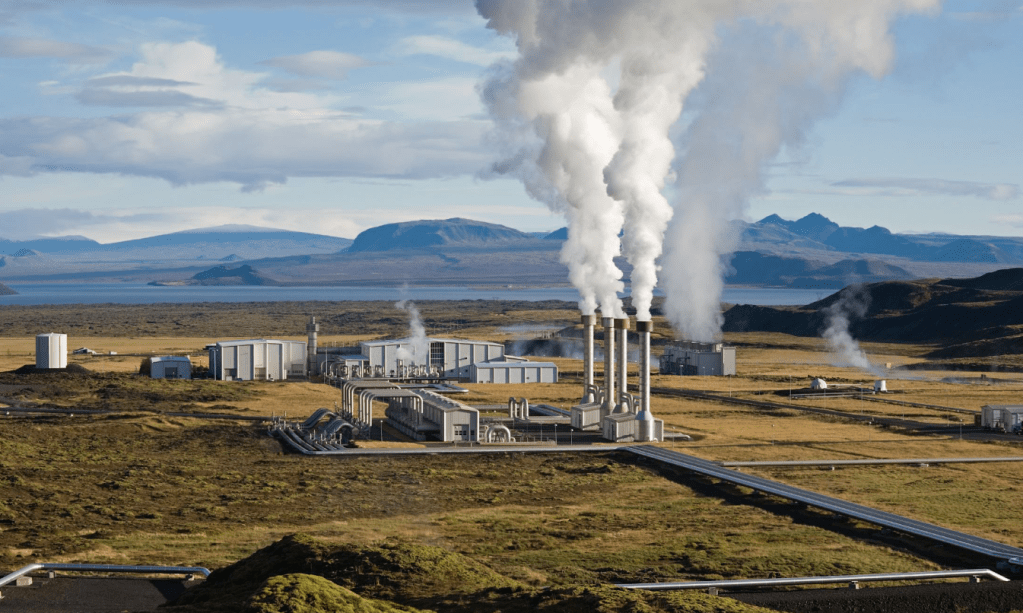
Geothermal energy occupies a unique position in the renewable energy mix. Unlike solar or wind, geothermal projects can deliver stable, baseload electricity with capacity factors often exceeding 85–90%. This operational profile makes geothermal particularly attractive for power systems with limited flexibility, such as island grids or emerging markets. However, the financial modelling of geothermal projects is fundamentally different from other renewables, driven by upfront subsurface risk and long development timelines. 🌍🌱📈
This article explores the core components of a geothermal financial model and the broader merits of geothermal energy from a financial modeller’s perspective. 📊🧮⚡
Why Geothermal Matters in the Energy Transition 🌍🌱⚡
From a system-level viewpoint, geothermal brings three major advantages: 🌱📈⚡
- Baseload generation: Minimal intermittency reduces the need for costly storage or backup capacity.
- Long asset life: Well-managed geothermal plants can operate for 30–40 years, far beyond typical solar or wind lifetimes.
- Low operating costs: Once drilled and commissioned, variable costs are limited, leading to predictable cash flows.
In regions such as East Africa (Kenya, Ethiopia), Indonesia, and parts of Latin America, geothermal is already a cornerstone of national generation strategies. For financial models, this translates into stable long-term revenues but high sensitivity to early-stage assumptions. 🌍📊🧭
Structuring a Geothermal Financial Model 📊🧩⚙️
A robust geothermal financial model must explicitly separate the project into development phases: 📊📐🔍
- Exploration and drilling phase
- Construction and power plant commissioning
- Operations and reservoir management
Each phase carries a distinct risk profile, which should be reflected in the model structure. 📉📈⚖️
1. Resource and Production Assumptions 🌋📊🔎
At the heart of any geothermal model is the steam field forecast. Key variables include: 📐🌋📈
- Expected reservoir temperature and pressure
- Decline curves and make-up well requirements
- Availability factors and parasitic load
Unlike wind or solar, energy yield is not derived from historical weather data but from probabilistic reservoir assessments. In practice, lenders often require P50 and P90 production cases, with downside scenarios directly feeding into DSCR and LLCR calculations. 📊📉🏦
2. CAPEX Phasing and Cost Granularity 💰🌋📊
Geothermal CAPEX is front-loaded and highly sensitive to drilling outcomes. A detailed model should distinguish between: 📐💸🔍
- Exploration wells vs. production wells
- Success ratios and contingency drilling
- Surface facilities and power plant EPC costs
In Kenya, for example, drilling can account for 40–60% of total project CAPEX. From a modelling standpoint, this justifies extensive scenario and sensitivity analysis on drilling success rates and well costs. 📊🌍🧮
3. Revenue Modelling and PPAs ⚡📑📊
Most geothermal projects rely on long-term power purchase agreements with take-or-pay structures. Financial models should carefully reflect: 📑📈🔎
- Tariff indexation (USD-linked vs. local currency)
- Capacity payments vs. energy-only payments
- Curtailment and force majeure clauses
Given the baseload nature of geothermal, revenue volatility is typically low, which improves NPV stability compared to variable renewables. ⚡📊📈
4. Operating Costs and Reservoir Management 🔧🌋📊
OPEX modelling goes beyond standard plant maintenance. Key geothermal-specific items include: 🔧📐🌱
- Periodic re-drilling and make-up wells
- Scaling and corrosion mitigation
- Reinjection pumping costs
Ignoring long-term reservoir management costs can materially overstate equity IRRs, especially in projects with aggressive extraction assumptions. 📉📊⚠️
Debt Structuring and Bankability 🏦📊⚖️
From a lender’s perspective, geothermal projects are often structured with conservative leverage during early years. Typical characteristics include: 🏦📉📐
- Lower initial debt-to-equity ratios (50–65%)
- Cash sweep mechanisms once production risk is retired
- DSCR targets above 1.30x, even under P90 scenarios
Some projects mitigate drilling risk by ring-fencing exploration under public entities or development finance institutions, allowing the power plant SPV to reach financial close with a de-risked steam supply. 🏛️🌍📊
Financial Returns and Risk Allocation 📈⚖️📊
Well-structured geothermal projects can achieve equity IRRs in the low-to-mid teens, with relatively low volatility over time. While headline returns may appear lower than merchant solar or wind, the long-term cash flow certainty often compensates for this difference. 🌱📈⚡
For financial modellers, geothermal rewards depth and realism: conservative production assumptions, transparent risk allocation, and long-term horizon modelling. 📊🧮🧭
Conclusion 🌍⚡🌱
Geothermal energy combines the stability of conventional generation with the sustainability of renewables. Its financial modelling is more complex than other renewable technologies, but when executed rigorously, it supports highly bankable, long-lived infrastructure assets. As power systems seek resilient, low-carbon baseload solutions, geothermal deserves a central place in both energy strategies and financial models. 🌍📊⚡
 Finteam