Last week, a seven-lender consortium led by the International Finance Corporation (IFC) has committed approximately USD 570 million in senior debt to support AMEA Power’s landmark solar PV and battery energy storage project in Egypt. The financing underpins a USD 700 million initiative developed by Dubai-headquartered AMEA Power 🇦🇪 in partnership with Kyuden International Corporation of Japan 🇯🇵. ☀️🔋
Africa’s Largest Single-Asset Solar + Battery Project 🌞🔋🚀
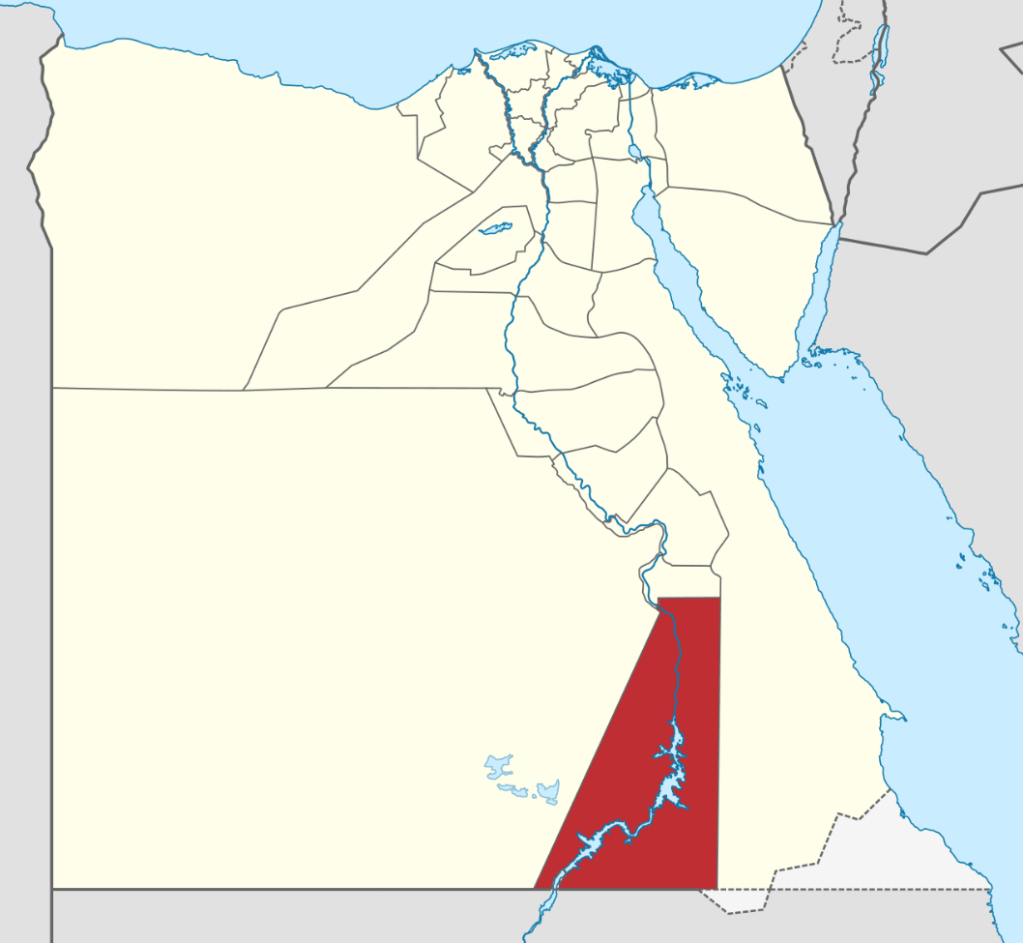
Located in Aswan Governorate, the project combines a 1,000 MW solar PV plant with a 600 MWh battery energy storage system (BESS). Once operational, it will become Africa’s largest single-asset renewable energy and storage facility, strengthening Egypt’s power system resilience and ability to integrate large volumes of renewable energy.
The project is jointly owned by AMEA Power (60%) and Kyuden International Corporation (40%), with commercial operation expected by June 2026. 📅⚡🌍
A Deep and Diversified Financing Consortium 🤝💰🏦
The senior debt package is led by IFC, deploying capital from its own account and mobilising funds from:
- Cassa Depositi e Prestiti (CDP) – Italy’s state-owned development bank
- FMO
- DEG
- British International Investment (BII)
- OPEC Fund for International Development
- Europe Arab Bank (EAB)
In addition, the financing structure benefits from concessional blended finance provided by the Clean Technology Fund (CTF) and the MENA Private Sector Development Program, supported by the Government of the Netherlands, with IFC acting as the implementing entity. 🌱📘⚖️
Early Works and Strategic Execution 🏗️⚡📈
Recognising the project’s strategic importance for Egypt’s energy system, AMEA Power initiated early construction works ahead of full financial close. This early mobilisation reduced delivery risk and demonstrates growing sponsor confidence and execution capability in Egypt’s large-scale renewable market.
The project builds on AMEA Power’s existing track record with IFC in Egypt, including 500 MW of solar in Aswan, 500 MW of wind at Ras Ghareb, and the country’s first utility-scale battery energy storage system. 🏗️🌍🔌
Financial Modelling Perspective: Utility-Scale Hybrid Assets 📊🧮🔋
From a financial modelling standpoint, this transaction illustrates several key themes shaping next-generation renewable infrastructure:
- Hybrid revenue stability, as BESS supports solar dispatch and grid balancing
- Improved DSCR profiles through storage-backed generation smoothing
- Blended finance structures reducing overall WACC and improving affordability
- Long-dated contracted cash flows aligned with development finance institution (DFI) requirements
For modellers, sensitivity analysis around battery degradation, dispatch optimisation, and curtailment risk is central to valuing solar-plus-storage assets at this scale. 📉📘⚙️
Transformational Impact for Egypt 🌍🌱⚡
Once operational, the project is expected to:
- Generate over 3 million MWh of clean electricity annually
- Supply power to more than 500,000 households
- Offset approximately 1.6 million tonnes of CO₂ emissions per year
- Create 4,000+ construction jobs, with over 95% filled by Egyptian workers
These impacts position the project as a cornerstone of Egypt’s clean energy transition and industrial decarbonisation strategy. 🇪🇬🚀🌞
Conclusion: A Flagship for Utility-Scale Solar + Storage in Africa 🚀⚡🌍
The IFC-led financing of AMEA Power’s Aswan solar and battery project marks a major milestone for utility-scale hybrid renewables in Africa. By combining scale, blended finance, and experienced sponsors, the project sets a benchmark for future solar-plus-storage developments across emerging markets—where resilience, reliability, and rapid deployment are increasingly critical. 📈🔋🌱
 Finteam