Financial Model for Debt raise
🇬🇧 UK – Battery Storage
£ 5 million – Successfully financed
👉 Learn more
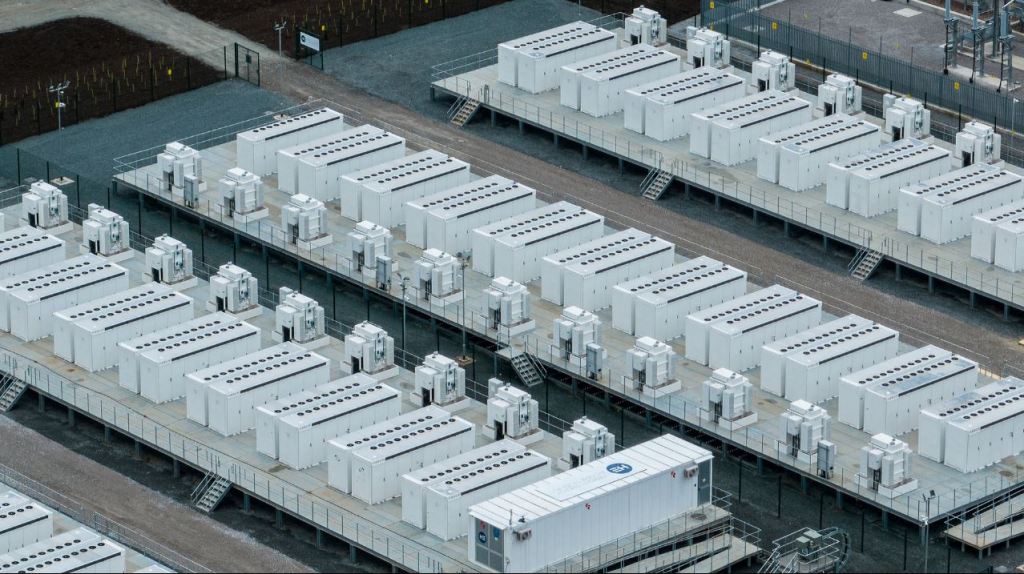
We supported the evaluation of a battery energy storage system (BESS) rollout across residential and mixed-use developments in the UK, ranging from 14 to 80 units. The analysis considered different battery technologies and add-ons like EV chargers and electric heating.
Our model delivered:
- Forecasts of first-year income from electricity sales and service charges
- Operating cost estimates, including procurement and maintenance
- Scenario comparisons to guide investment and design choices
The result was a flexible tool that allowed the client to weigh technical options against commercial outcomes, supporting investment planning and design optimisation.
Financial Model for Fundraise
🇿🇦 South Africa – Sewage Treatment Plant
ZAR 217 million (approx. $ 12 million) – Successfully financed
👉 Learn more
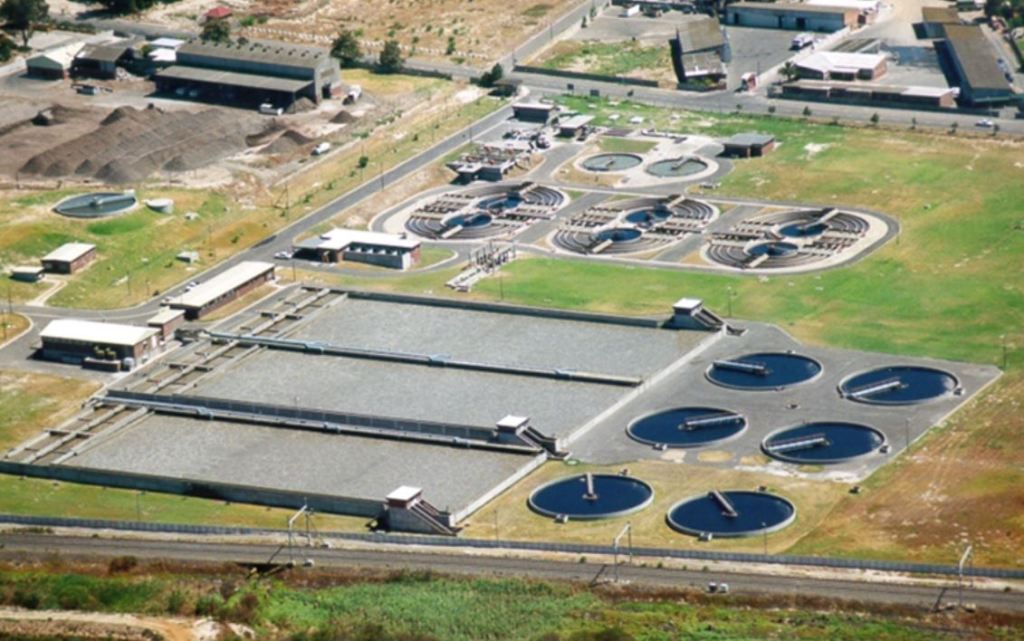
We built a financial model for a sewage treatment plant (STP) near Lanseria, South Africa, serving the growing urban corridor around the airport. The plant addresses wastewater treatment and reuse in a water-scarce area.
Deliverables included:
- A feasibility-stage model estimating capex, opex, and long-term returns
- Revenue analysis (tipping fees, by-products, carbon credits)
- Scenario testing on waste volumes, pricing, and efficiency
The model played a critical role in assessing the project’s bankability and supported early discussions with investors and public stakeholders.
Operating Model
🇨🇩 Democratic Republic of the Congo – Solar Mini-grid
$ 11.1 million (CAPEX)
👉 Learn more
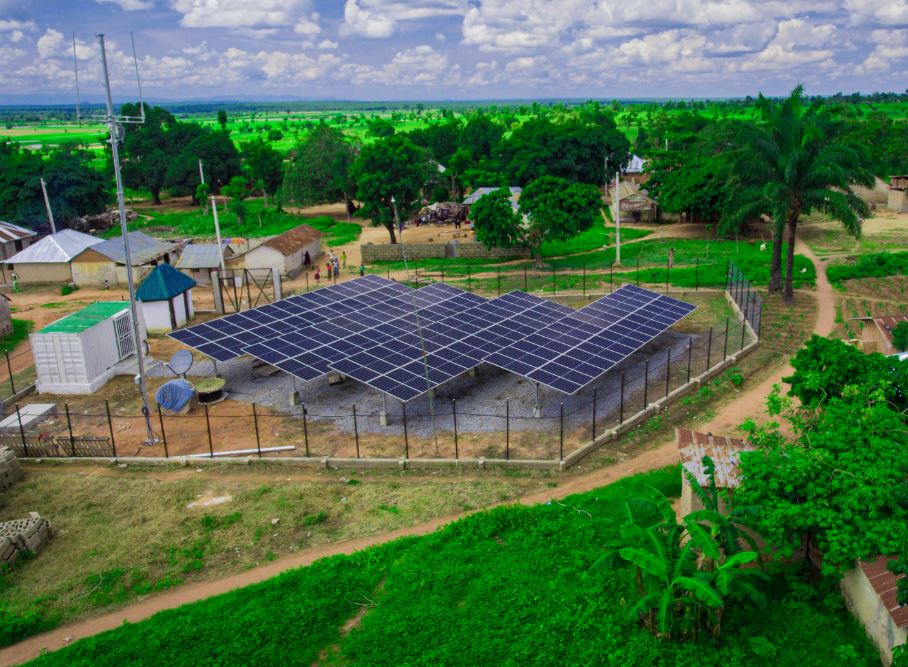
A solar mini-grid company in the DRC needed a clear model to assess EBITDA performance. The business provides reliable power to remote areas using solar PV and battery storage.
We helped by:
- Building a practical model focused on EBITDA
- Highlighting key performance levers for the year ahead
- Creating scenario tools to support board-level decisions
Leveraging the company’s most recent financial data, the model is now used internally as a key decision-making and reporting tool.

Financial Model for Fundraise
🇬🇧 UK – Green Hydrogen
£ 3.1 million – 50% divestment successfully closed
👉 Learn more
We supported the strategic planning for a new green hydrogen subsidiary targeting demand in the UK, Europe, and globally. The initiative was led by a tech company with strong hydrogen and offshore engineering expertise.
Key activities included:
- Defining income streams such as design sales, licensing, and partnerships
- Outlining a go-to-market plan for B2B deployment
- Supporting a commercial model to access public funding and subsidies
The result was a clear roadmap to guide investment and partnerships for a scalable hydrogen business.
Financial Model for Investors
🇬🇧 UK – Solar PV
£ 26 million – Secured seed funding
👉 Learn more
We developed a financial model to assess the feasibility of a commercial-scale solar PV project in the UK. The system aimed to power onsite operations and export surplus energy to the grid under current market and subsidy conditions.
Our work included:
- Forecasting generation based on local irradiation and panel specs
- Modelling revenues from self-consumption, export tariffs, and incentives
- Estimating capex, O&M costs, and project returns under various scenarios
The model supported investment evaluation and early-stage funding discussions.

Financial Model for Investors
🇱🇦 Laos – Hydroelectric dam
$ 213 million (CAPEX)
👉 Learn more
We built a financial model for a hydroelectric project, using long-term rainfall and hydrology data to assess generation variability and its financial impact.
Key elements included:
- High monthly variability in low-rainfall periods
- Stable output in high-rainfall months, informing baseline assumptions
- Use of mean, median, and standard deviation to drive model sensitivities
The model supported early feasibility and helped evaluate risk-adjusted returns.
Financial Model for Fundraise
🇵🇰 Pakistan – Solar PV
$ 16 million – 28% divestment successfully closed
👉 Learn more
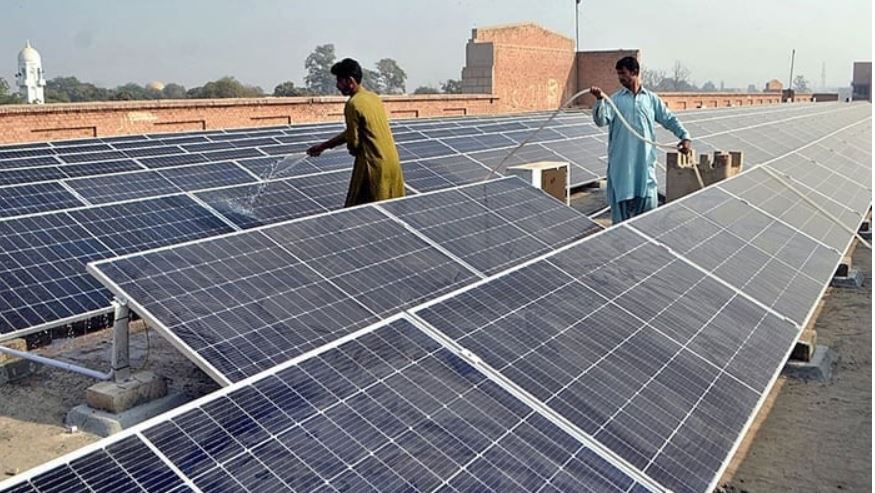
We supported the investment strategy for a utility-scale solar project in Pakistan, aimed at attracting new equity participation. The initiative was led by a local energy developer seeking to expand renewable capacity in the region.
Key activities included:
Preparing investor materials to support engagement and negotiationsThe result was a clear roadmap to guide investment and partnerships for a scalable hydrogen business.
Developing a detailed financial model to assess investor returns and project bankability
Structuring key assumptions around tariffs, capex, and operational risks
Financial Model for Fundraise
🇦🇺 Australia – Solar PV
AUS 92 million – Secured seed funding
👉 Learn more
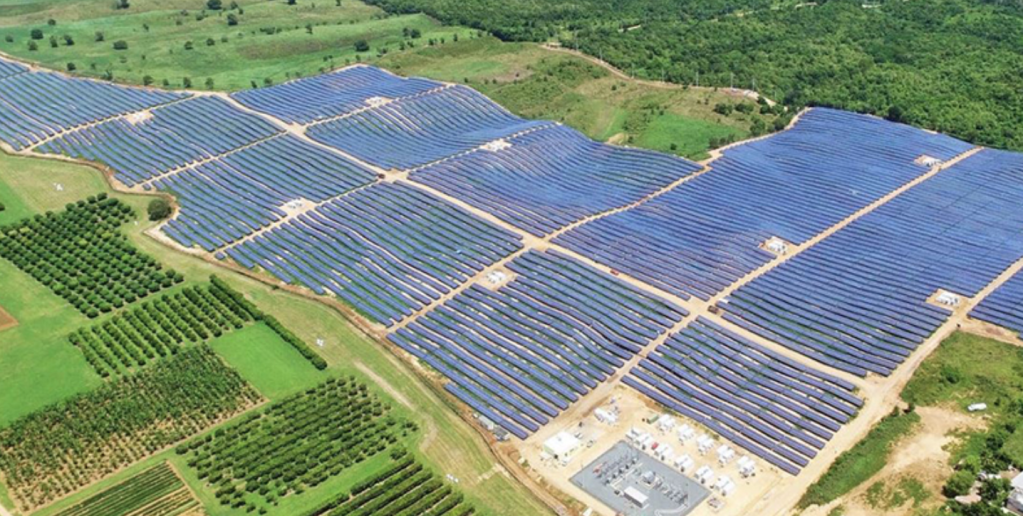
We built a financial model to evaluate a commercial-scale solar PV project in Australia, designed to offset onsite energy use and export excess electricity to the grid under current market and policy conditions.
Our work covered:
- Forecasting generation using local solar irradiation and technology specs
- Modelling revenue from self-consumption and feed-in tariffs
- Estimating capex, O&M costs, and project returns across multiple scenarios
The model was used to support the entry of a new investor and guide early-stage investment decisions.he model supported investment evaluation and early-stage funding discussions.
Financial Model for Fundraise
🇮🇳 India – Waste-to-Energy Plant
INR 230 million (approx. $ 2 million) – 50% divestment successfully closed
👉 Learn more
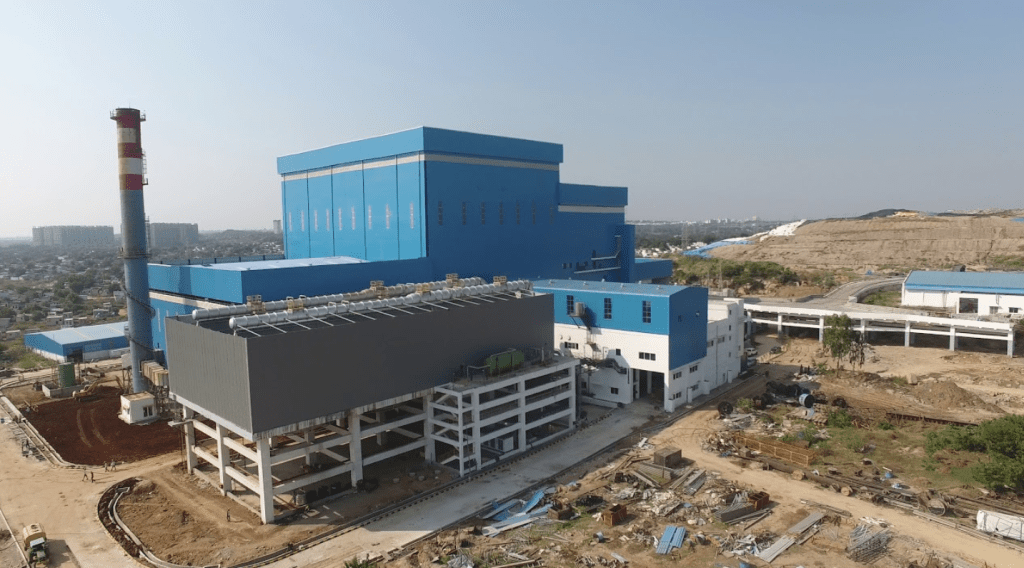
We developed a financial model to assess the viability of an integrated waste-to-energy project in India, as part of a process to bring in a new investor. The project combines a sorting plant, solar PV system, biogas unit, and gasifier to convert municipal waste into clean energy and support local sustainability goals.
Our work included:
- Forecasting energy output from solar, biogas, and gasification technologies
- Modelling revenues from electricity sales, waste processing fees, and by-product use
- Estimating capex, O&M costs, and returns under multiple investment scenarios
The model was a key tool to support due diligence and early-stage discussions with the incoming investor.
 Finteam